**Title:** Major Indian Automakers Urge Government to Reconsider Emission Rules
**Meta Description:** Leading car manufacturers in India, including Tata Motors and Hyundai, call for the removal of weight-based emission concessions that favor a single competitor.
**URL Slug:** indian-automakers-emission-rules
**Headline:** Indian Automakers Challenge Weight-Based Emission Concessions Favoring One Competitor
India’s leading car manufacturers, including Tata Motors, Mahindra & Mahindra, JSW, MG Motor, and Hyundai, are advocating for the government to eliminate a weight-based emission concession for small cars under the proposed new efficiency regulations. They argue that this concession primarily benefits one company, which industry insiders suggest is Maruti Suzuki.
In letters addressed to the government, these automakers expressed concerns that the weight-based relief could undermine India’s electric vehicle (EV) ambitions while disproportionately aiding a single player. Although the letters did not explicitly name the company, industry data and statements from three auto executives indicated that Maruti Suzuki would be the primary beneficiary of these concessions.
Maruti Suzuki, the largest seller of small cars in India, highlighted that global markets such as Europe, the U.S., China, Korea, and Japan have provisions in their emission regulations to protect “very small cars.”
**Current Emission Standards and Proposed Changes**
Under India’s existing Corporate Average Fuel Efficiency (CAFE) norms, the permissible carbon dioxide emissions apply to all passenger cars weighing less than 3,500 kg (7,716 lb). The new regulations aim to tighten average CO2 emissions from 113 grams/km to 91.7 grams/km, making it more challenging for small cars to comply compared to larger SUVs. This shift is expected to push manufacturers towards increasing their EV offerings.
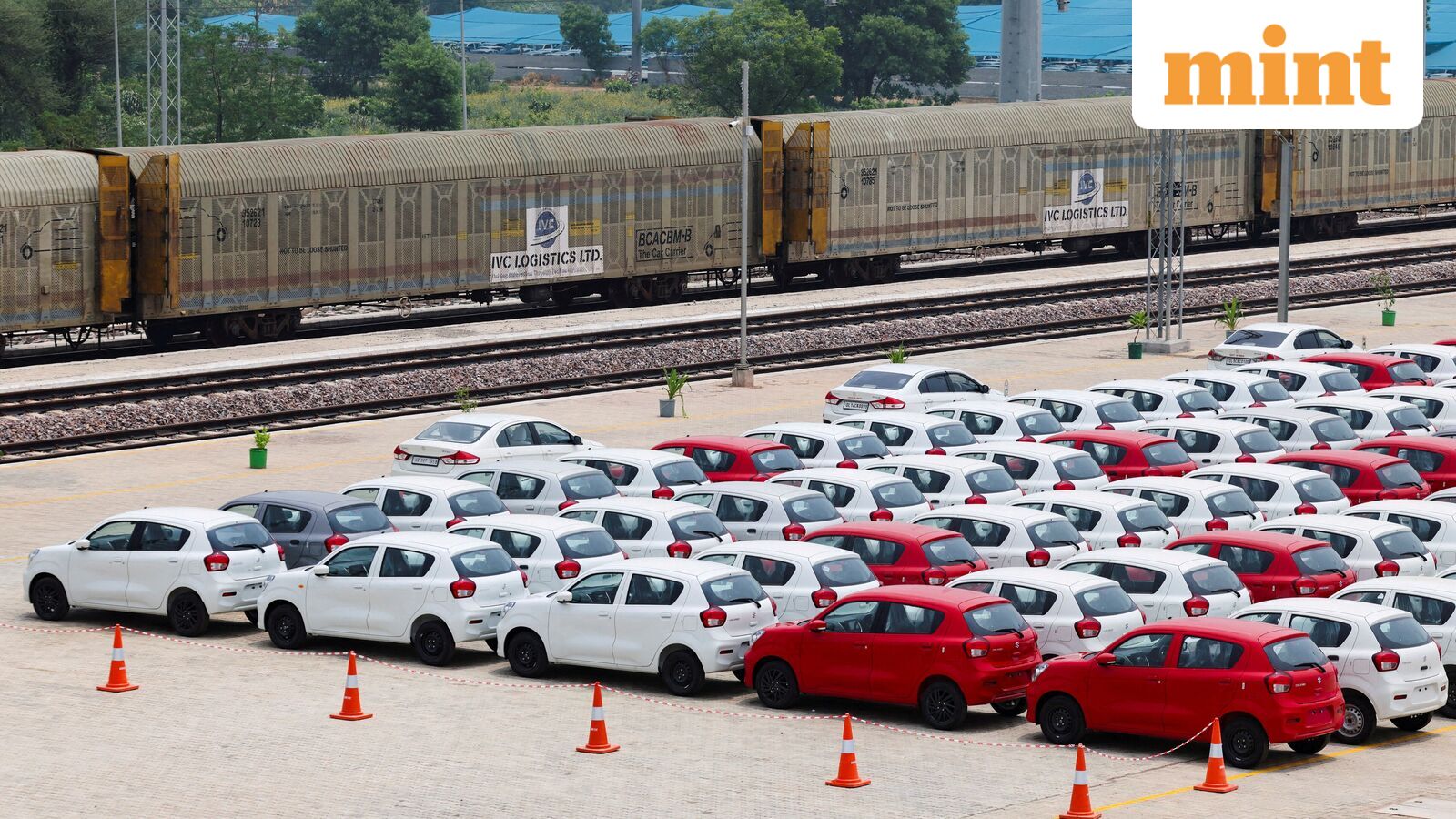
The latest draft of the proposed rules includes leniency for petrol cars weighing 909 kg or less, measuring under four meters in length, and with an engine capacity of 1200 cc or below, citing their “limited potential for efficiency improvements.” This has created a divide between EV-focused companies and Maruti Suzuki, which derives 16% of its sales from cars under the 909 kg threshold. The ongoing debate has delayed the finalization of regulations crucial for automakers’ future product strategies and investments in powertrain technology.
**Industry Concerns and Calls for Fairness**
Executives from several companies have criticized the 909 kg threshold as arbitrary and misaligned with global standards, asserting that it primarily benefits Maruti Suzuki. In a letter to India’s power ministry, Mahindra urged the removal of any “special category” definitions based on size or weight, warning that such measures could hinder the nation’s progress toward safer, cleaner vehicles and disrupt the competitive landscape.
Hyundai echoed these sentiments in its correspondence with the industries ministry, cautioning that the exemption could be perceived internationally as a regression at a time when global markets are moving towards stricter fuel efficiency and zero-emission standards. The company emphasized that abrupt policy changes favoring specific segments could jeopardize industry stability and customer interests, as future investments and technology developments rely on established norms.
**Conclusion**
The ongoing discussions surrounding India’s emission regulations highlight the tension between traditional automakers and those focused on electric vehicles. As the government navigates these complex issues, the outcome will significantly impact the future of the automotive industry in India, shaping the landscape for both manufacturers and consumers alike.
**FAQ**
**Q: Why are Indian automakers concerned about the new emission rules?**
A: Indian automakers are worried that the proposed weight-based emission concessions will primarily benefit one company, potentially undermining the country’s electric vehicle goals and creating an uneven playing field in the industry.