**Indian Vlogger Anant Mittal Detained for 15 Hours in China Over Arunachal Pradesh Post**
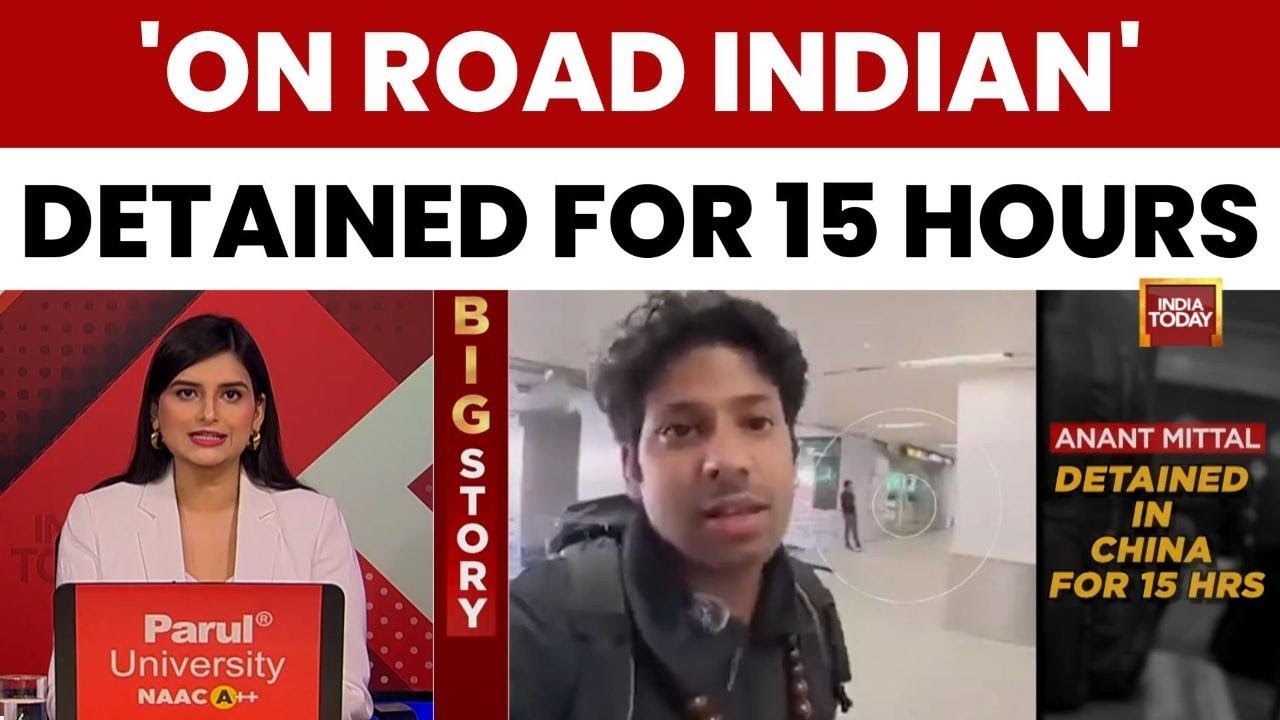
Indian vlogger Anant Mittal faced a significant ordeal during his recent visit to China, where he was detained for 15 hours due to a social media post related to Arunachal Pradesh. This incident has raised concerns regarding the treatment of foreign nationals in China, particularly those who engage with sensitive geopolitical topics.
Mittal, known for his travel vlogs and cultural insights, was reportedly apprehended shortly after arriving in the country. The Chinese authorities cited his online content, which included references to Arunachal Pradesh, a region that China claims as part of its territory. This situation highlights the ongoing tensions between India and China over territorial disputes and the implications for individuals who discuss these issues publicly.
During his detention, Mittal was questioned extensively about his content and intentions. He later described the experience as both alarming and enlightening, shedding light on the strict regulations governing foreign media and online expression in China. His case serves as a reminder of the complexities faced by content creators operating in politically sensitive environments.
As the situation unfolds, it raises important questions about freedom of expression and the risks associated with sharing personal experiences in regions with contentious political histories. The incident has sparked discussions among fellow vloggers and social media influencers about the need for caution when addressing sensitive topics in their content.
In conclusion, Anant Mittal’s detention underscores the delicate balance between creative expression and geopolitical sensitivities. As international travel resumes, content creators must remain aware of the potential repercussions of their work in foreign territories.
**FAQ**
**What happened to Anant Mittal in China?**
Anant Mittal was detained for 15 hours by Chinese authorities due to a social media post about Arunachal Pradesh, highlighting the risks for foreign nationals discussing sensitive geopolitical issues.