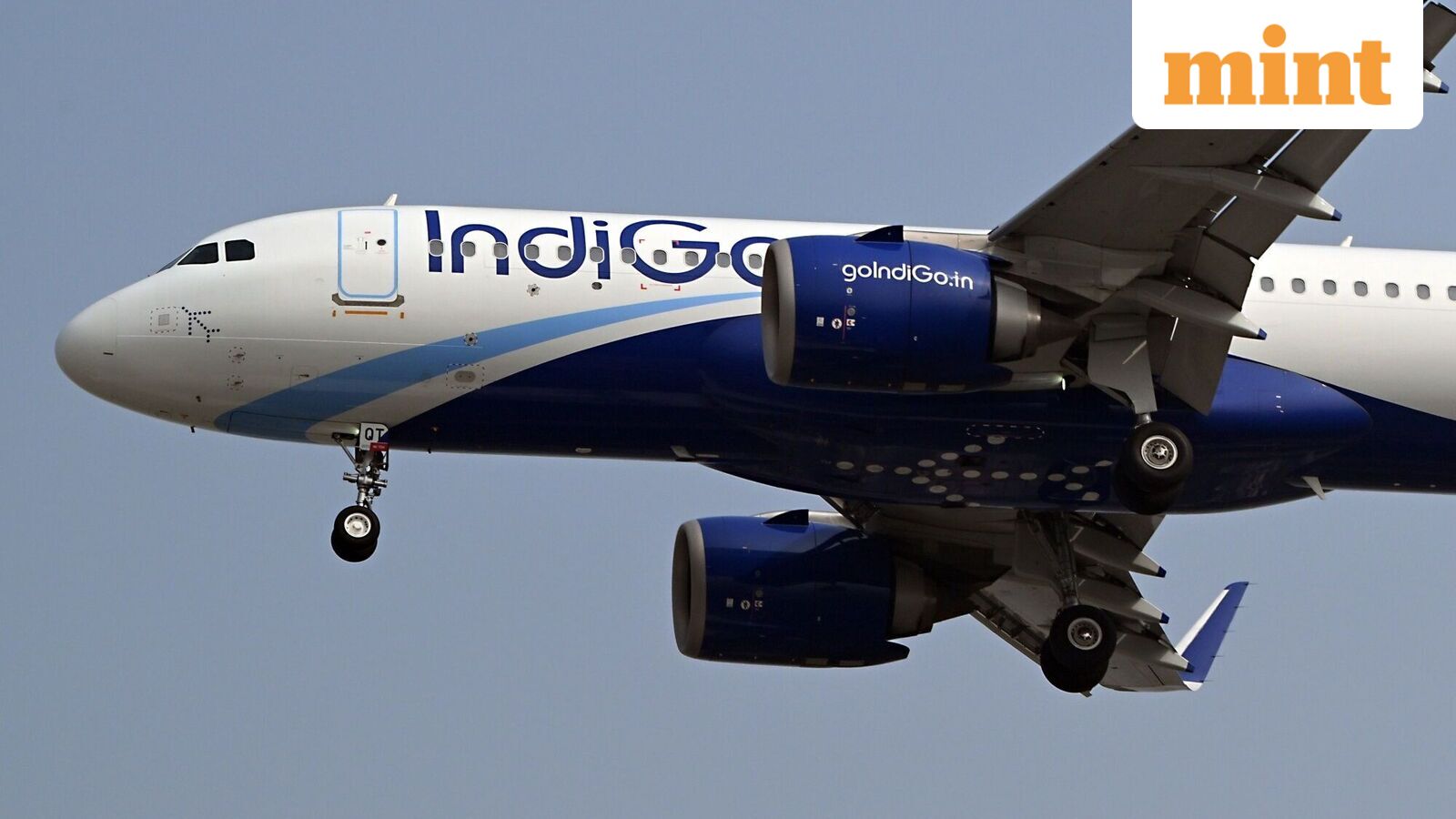
**IndiGo Faces Severe Operational Crisis as On-Time Performance Plummets**
IndiGo’s operational challenges escalated on Friday, with its on-time performance (OTP) at six major metro airports dropping to a staggering 8.5%, according to data released by the Civil Aviation Ministry. This decline marks the continuation of a disruption that has now persisted for four consecutive days. Sources cited by PTI reported that the airline suspended all departures from Chennai until 6 PM and halted flights from Delhi Airport until midnight.
Historically known for its punctuality, IndiGo’s OTP fell to 19.7% on Wednesday, a significant drop from 35% the previous day, indicating a worsening operational crisis. In contrast, Air India and Air India Express reported OTP figures of 61% and 58.6%, respectively, while Akasa Air achieved 63%. SpiceJet and state-run Alliance Air recorded OTPs of 56.4% and 56%.
The OTP metric is assessed across six key airports: Delhi, Mumbai, Bengaluru, Chennai, Hyderabad, and Kolkata. Meanwhile, IndiGo’s stock, partially owned by promoter Rahul Bhatia, saw a nearly 3% decline, trading at ₹5,291.45 during Friday’s afternoon session on the BSE.
The situation deteriorated rapidly, just a day after IndiGo canceled over 550 domestic and international flights, far exceeding typical disruption levels. Airports nationwide have been overwhelmed, with passengers reporting long waits without updates, basic amenities, food, water, or access to functioning service counters. Delays exceeding 12 hours have exacerbated congestion at major airports, including Delhi, Mumbai, Bengaluru, Pune, Hyderabad, and Goa.
On Friday alone, cancellations surpassed 400, including 118 flights from Mumbai, 100 from Bengaluru, 75 from Hyderabad, 35 from Kolkata, 26 from Chennai, and 11 from Goa, with other airports also experiencing significant disruptions. Travelers have been left queuing for hours in search of rebooking options or lost baggage, uncertain about when they might be able to fly.
As IndiGo manages approximately 65% of India’s domestic air traffic, its operational paralysis has begun to impact other carriers, leading to increased fares, reduced seat availability, and crowded terminals affecting passengers of competing airlines.
In response to the crisis, the Directorate General of Civil Aviation (DGCA) has intervened, instructing IndiGo to provide a comprehensive recovery plan that includes pilot recruitment, training timelines, crew roster adjustments, and safety assessments. The regulator has also mandated that the airline submit a progress report every two weeks.
IndiGo has communicated to the DGCA that it anticipates fully restoring normalized and stable operations by February 10, 2026. Currently, the airline operates a fleet of over 400 aircraft and conducts more than 2,300 daily flights.
**FAQ**
**What caused IndiGo’s operational crisis?**
IndiGo’s operational crisis was triggered by an unprecedented number of flight cancellations, leading to severe delays and overwhelming passenger congestion at airports across India.