**Korean Culture Takes Over Indian Snack Aisles**
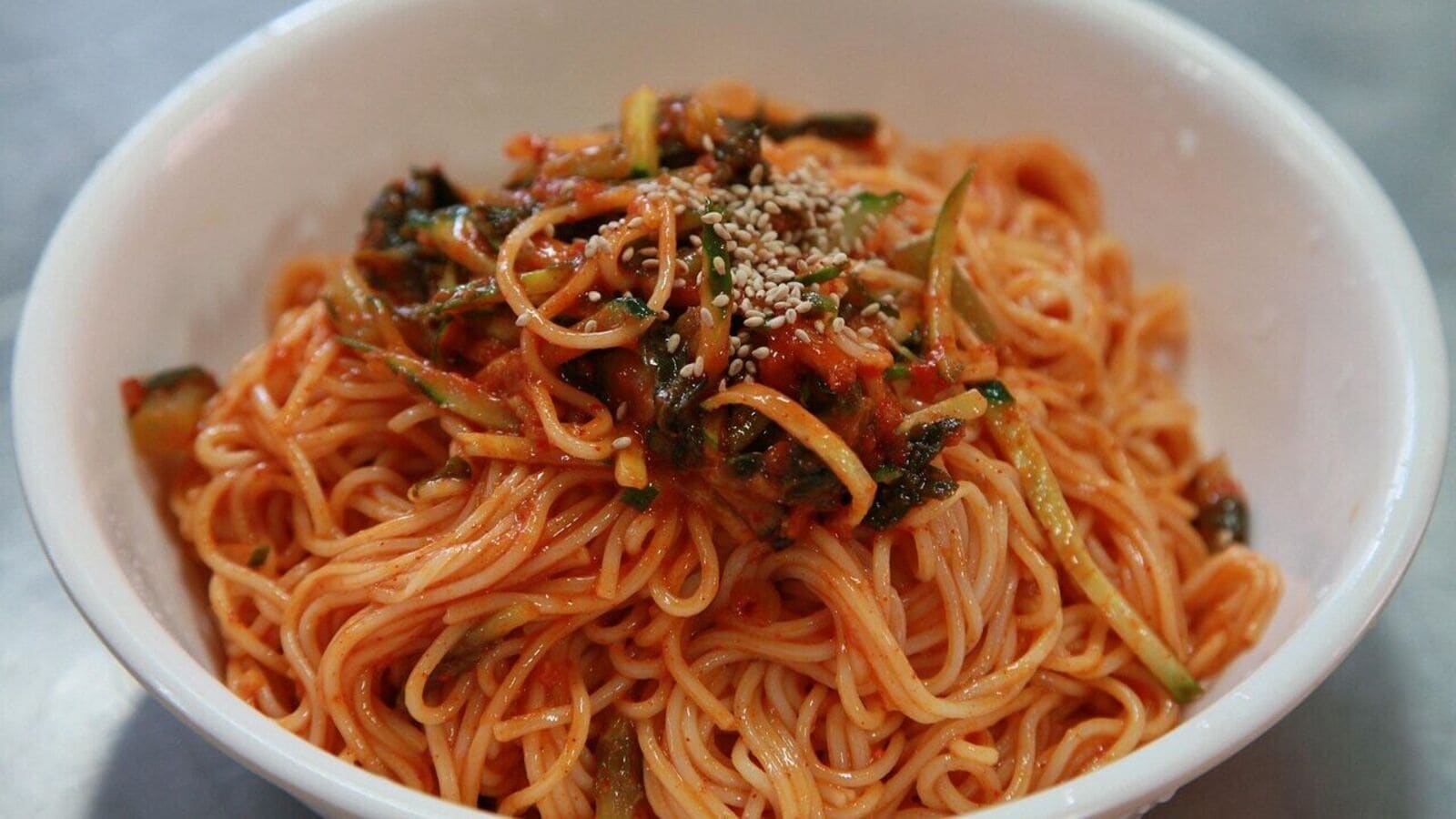
Korean culture has made significant inroads into Indian entertainment and is now making its presence felt in the snack market. From spicy Korean-infused banana chips to barbecue-flavored noodles, major fast-moving consumer goods companies are capitalizing on the “Korean wave” to introduce fusion flavors to a broader audience. Once considered premium and niche, these products are now readily available in local kirana stores, with Korean chips priced at ₹20 for a 37g pack and noodles at ₹55 for a 75g pack, appealing to young, internet-savvy consumers eager to explore new tastes.
The K-wave is a substantial trend that spans food, beauty, content, and music, and it is one that businesses cannot overlook. Anand Ramanathan, a partner and consumer industry leader at Deloitte South Asia, noted that Indian consumers are increasingly exposed to global influences through international travel and diverse content consumption. He emphasized that companies must respond swiftly to these mega trends to maintain market share.
A 2023 report by Mintel highlighted that smaller pack sizes enable a wider demographic to access and experiment with new products. Bingo! launched Korean-flavored potato chips last March, which are now available starting at ₹20 for a 37g pack. ITC has also introduced Korean noodles under its YiPPee! brand, priced at ₹55 for a 75g packet. Hemant Malik, executive director of ITC Ltd, stated that the company quickly capitalized on the Korean wave by launching Korean-style snacks.
Products like ITC’s Bingo Hot & Spicy Korean Chips and Yellow Diamond Spicy Korean Chips are gaining popularity for out-of-home consumption. Bingo’s Korean chips achieved a 4% consumer penetration, reaching over 1.2 million individuals within a year, while Yellow Diamond’s reached 1.7%, according to data from Worldpanel by Numerator. This data indicates that fusion flavors are crucial for connecting with consumers, particularly in the snacking category.
PepsiCo’s Lay’s brand has also joined the trend, recently introducing the “Flavours of the World Korean Chilli” variant priced at ₹50 for a 78g pack. Lay’s potato chips are available for as low as ₹5 per 12g pack. Saakshi Verma Menon, chief marketing officer of Foods at PepsiCo India, remarked that the growing popularity of diverse flavors reflects Indian consumers’ desire to experiment with new tastes.
In 2024, Nestle launched Maggi Korean noodles in barbecue flavors, which have resonated well with consumers, although this offering is positioned as more premium compared to its traditional Maggi noodles.
As the Korean wave continues to influence the Indian market, it is clear that the fusion of flavors is here to stay, providing exciting new options for consumers and opportunities for companies to innovate.
**FAQ**
**What is the Korean wave in India?**
The Korean wave refers to the growing popularity of Korean culture in India, encompassing food, beauty, music, and entertainment, leading to increased demand for Korean-inspired products.