**Apple’s iPhone and Devices Set for Major Design Overhaul This September**
Apple is gearing up for a significant redesign of its iPhone and other devices this September, introducing the new Liquid Glass visual language alongside a variety of features and app updates. Initially revealed in June, these changes are now accessible to participants in Apple’s public beta program. However, users should be aware that early software versions may exhibit instability; during my initial testing, I encountered some visual glitches and performance issues. While I did not experience any major problems or data loss, it is advisable to avoid installing the beta on primary devices.
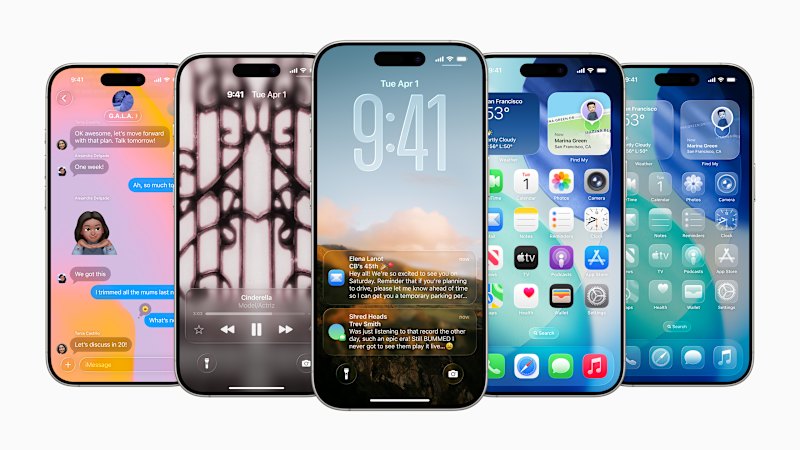
iOS 26 marks the most substantial visual transformation for the iPhone since 2014. This overhaul affects every aspect of the device’s software and all of Apple’s native applications. The design draws inspiration from the Vision Pro headset, featuring glossy, rounded elements and augmented reality capabilities, starting with the iPhone’s lock screen.
The lock screen enhancements allow the clock to partially blend into the wallpaper, taking this feature to new heights. Users can utilize recent photos to create a spatial scene or extend the image, employing AI to generate additional visual details around the edges or behind the main subject. As the phone is moved, the photo’s angle shifts, creating a sense of depth akin to viewing through AR goggles. The clock’s height adjusts to complement the photo, resulting in a lock screen that resembles a professionally designed magazine layout.
iOS 26 also brings a redesigned lock screen, camera app, photo library, Safari browser, and more. The home screen features a glassy aesthetic, with icons appearing as 3D stacks of shiny material and widgets resembling large, rounded panes displaying information. The lighting effects change dynamically as the device is moved. Elements such as the highlight magnifier, search bar, and Safari menus have been transformed into translucent bubbles that realistically refract the content beneath, complete with warping and rainbow effects at the edges.
While the Liquid Glass design is visually striking, it may not necessarily be an improvement over the existing aesthetic. The transition from modern flat visuals with frosted transparency to a more complex and colder design may feel like a step back to some users. Upon switching to iOS 26, my home screen layout appeared less appealing, as many app icons with white backgrounds seemed to have undergone an odd Photoshop filter effect due to the new design.
In conclusion, while the Liquid Glass visual language introduces a fresh look to Apple devices, users may need time to adjust to the changes. The new features and design elements promise to enhance the user experience, but opinions on the aesthetic shift may vary.
**FAQ**
**Q: What is the Liquid Glass visual language in iOS 26?**
A: The Liquid Glass visual language is a new design aesthetic introduced in iOS 26, featuring glossy, rounded elements and augmented reality capabilities that enhance the overall look and feel of Apple devices.