In 2025, the Year of the Snake in the Chinese zodiac, Chinese electric vehicle (EV) manufacturers are aiming to achieve market dominance in Australia. After years of establishing a local presence, brands like Chery, BYD, and XPeng are intensifying their sales efforts, challenging Toyota, which has been the top-selling manufacturer in Australia for over 20 years.
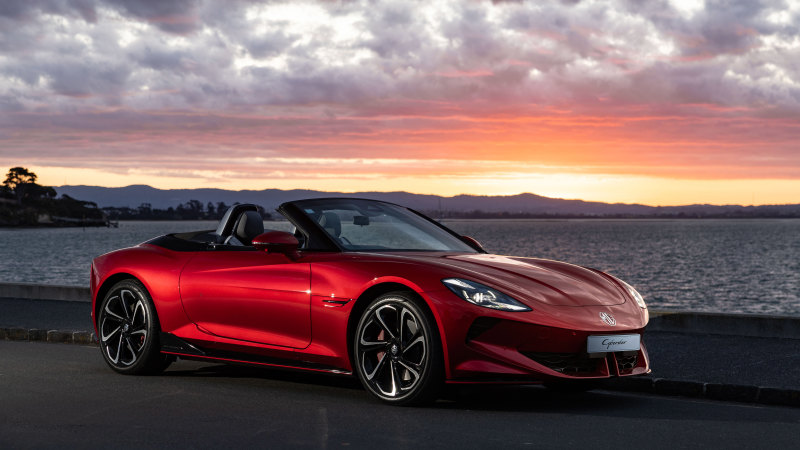
In 2024, sales for nearly all Chinese car manufacturers in Australia saw significant growth, a notable achievement in a fiercely competitive market. This year will also see the introduction of several new and unique brands. The MG Cyberster Roadster is already attracting attention. While names like Jaecoo, Deepal, and Zeekr may not be well-known to most Australians, their vehicles will soon be seen on local roads and charging at EV stations.
The influx of competition is expected to increase pressure in an already competitive market, offering consumers new options, including Australia’s first electric vehicle priced under $30,000, which will launch alongside a new wave of government-supported low-interest EV loans.
Peter Khoury, media manager of the NRMA, noted that the coming year will feature a wider array of electric vehicles from China, as well as from countries like India and Thailand, many of which will be more affordable than what Australians are accustomed to. “We’re witnessing a significant shift in the Australian market,” Khoury stated. “It’s all about choice, and we’re seeing more of that than ever.”
What’s fueling this growth? Chinese manufacturers like BYD and SAIC Motor have expanded their production capabilities over the past decade, now able to produce up to 40 million vehicles annually. China accounts for approximately 60% of global EV production, with foreign companies like Tesla and Volkswagen also utilizing Chinese factories for an increasing share of their vehicles.
In Australia, brands like BYD and MG are often underpricing their European and American competitors by tens of thousands of dollars, making them an appealing choice for many consumers.
According to Tony Weber, CEO of the Federal Chamber of Automotive Industries, Australia is an ideal market for Chinese automotive exports. Unlike the U.S., where tariffs on Chinese cars have been proposed, Australia benefits from a free trade agreement with no tariffs or barriers, leading to increased competition and access to high-quality products at lower prices.
Weber emphasized that the Chinese automotive industry has heavily invested in pure EV technologies, giving them a competitive edge in both technology and battery pricing, supported by a large domestic market. More brands are expected to enter the Australian market in the near future.