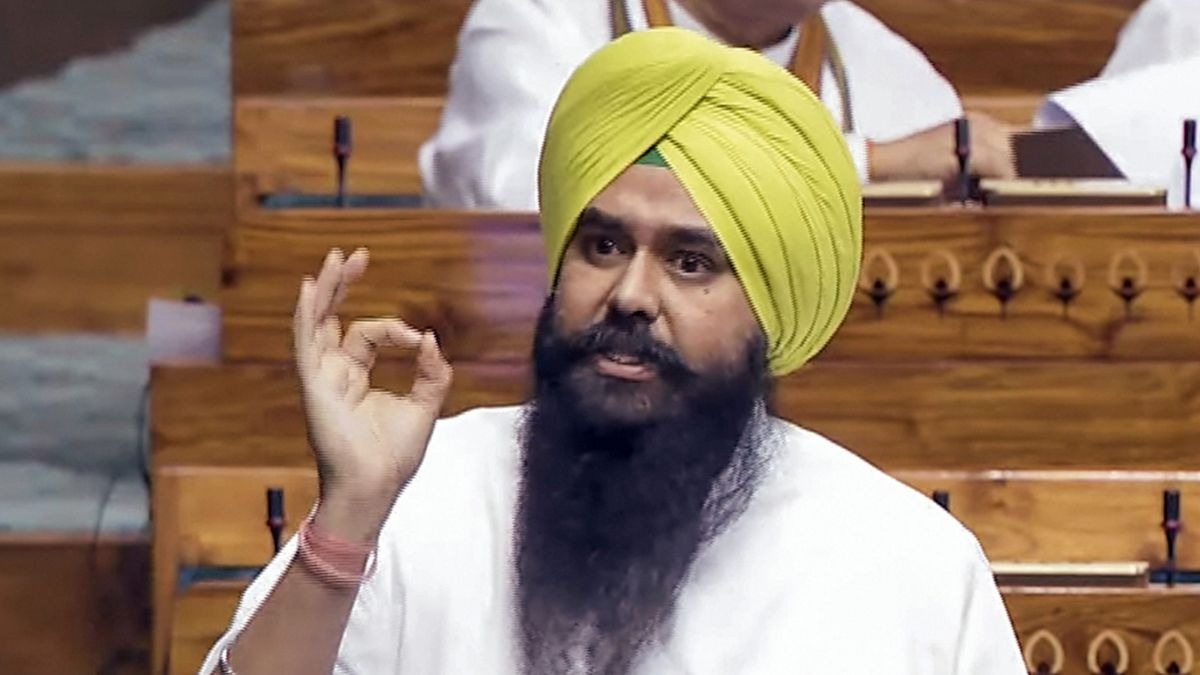
Naveen Jindal, BJP MP from Kurukshetra, has called on the government to introduce reforms that would prioritise what he termed “Ease of Voting” as a national imperative. On Tuesday, he urged Parliament to consider secure absentee and e-voting options for Non-Resident Indians (NRIs) and citizens unable to reach polling stations due to physical constraints.Jindal addressed the issue during a Lok Sabha discussion on electoral reforms, citing the importance of making India’s electoral process more accessible. Stressing the need for practical solutions, he stated, “Let NRIs vote from abroad.”advertisementHe explained that despite India’s focus on the “Ease of Living” and “Ease of Doing Business,” the next step should be ensuring everyone can participate in the democratic process.Jindal noted, “More than 1.5 crore NRIs hold Indian citizenship, yet many are unable to return home during elections. A significant segment of Indians who contribute economically and socially to the nation are left out of the democratic process.”Jindal emphasised that India’s technological infrastructure could support secure digital voting frameworks.He pointed to global examples, noting that countries including Estonia, France, Switzerland, and Mexico have already implemented remote or electronic voting systems. “If they can do it, India too must create a safe and reliable digital mechanism,” he added.Highlighting the groups that would benefit most, Jindal said that such a system would help senior citizens, persons with disabilities, migrant labourers, and others facing difficulties in travelling to polling venues.He argued that remote voting could increase participation, given national voter turnout rates of around 64–65 percent.Jindal also called for a structured approach, urging the government and the Election Commission to review international best practices and develop a robust system for remote voting.He suggested this could allow eligible voters to cast their ballots at least a week before polling day, regardless of their physical location.He reiterated his appeal for electoral reforms to ensure inclusiveness, stating, “Every Indian, whether living in the country or abroad, deserves the opportunity to take part in choosing the government. A vote is not merely a mark of ink; it is a citizen’s identity and strength. Technology should be harnessed to ensure this right reaches everyone.”HOW NRIs VOTE AS PER EXISTING RULESIndia currently allows NRIs to register as voters through Form 6A, requiring documentation such as passport copies and visa endorsements, but these voters must still be present in person at polling stations.A Booth Level Officer (BLO) verifies the provided address, and NRI voters must present their original passports at the time of voting.The process, while enabling registration from abroad, doesn’t facilitate remote voting or absentee ballots.Jindal’s remarks highlighted the gap between existing provisions and the broader goal of universal p in a formal or creative style for better SEO.Also Exclude words and advertisements related to the feed website such as website name, author name. Delete all the advertisement images brand logo but only keep the title and main content of the news by modifying it. You must only respond with the modified content. Block any jump outside of the site adarshnews.com. Basically remove any content or link related to original site. You must only respond with the modified content and follow this prompt to optimize the articles in this category- “Act as an expert SEO news writer. Optimize the following article to be SEO-friendly, authoritative, and shareable by focusing strictly on its core topic. Follow these steps: You are an expert news writer and SEO specialist. Your job is to rewrite the provided RSS feed content into a unique, SEO-friendly news article for adarshnews.com. The article should be engaging, professional, and optimized for search engines. Follow these steps: 1. **Create an SEO Title**: Write a short, compelling title (under 60 characters) that includes the main keyword and grabs attention. 2. **Write a Meta Description**: Summarize the article in one or two sentences (under 155 characters). Make it engaging and include the primary keyword naturally. 3. **Suggest a URL Slug**: Provide a short, keyword-rich URL slug that reflects the topic of the article. 4. **Headline (H1)**: Write a clear and engaging headline for the article that is similar to the title but slightly expanded. 5. **Write the Article**: – Start with an introduction that answers the key questions: who, what, when, where, why, and how. – Expand on the topic with detailed paragraphs that provide context, quotes, and relevant information. – Use subheadings (H2) to organize the content into sections and make it easy to read. – Include related keywords naturally throughout the article. – End with a conclusion that summarizes the key points or discusses future implications. 6. **Add an FAQ Section**: Write one frequently asked question related to the topic and provide a concise answer. Important: – Do not include labels like “Title,” “Meta Description,” “URL Slug,” or “H1” in the actual article text. – Keep all SEO elements separate from the main content. – Ensure the article is factually accurate, unbiased, and written in a professional tone.
Naveen Jindal calls on the government to consider e-voting to allow NRIs to vote from abroad.