**India’s Turbulent Decade: A Journey Through 1995-2005**
**Meta Description:** Explore India’s transformative decade from 1995 to 2005, marked by political upheaval, nuclear advancements, and evolving international relations.
**URL Slug:** india-1995-2005-political-history
**Headline:** India’s Transformative Decade: Political and Social Changes from 1995 to 2005
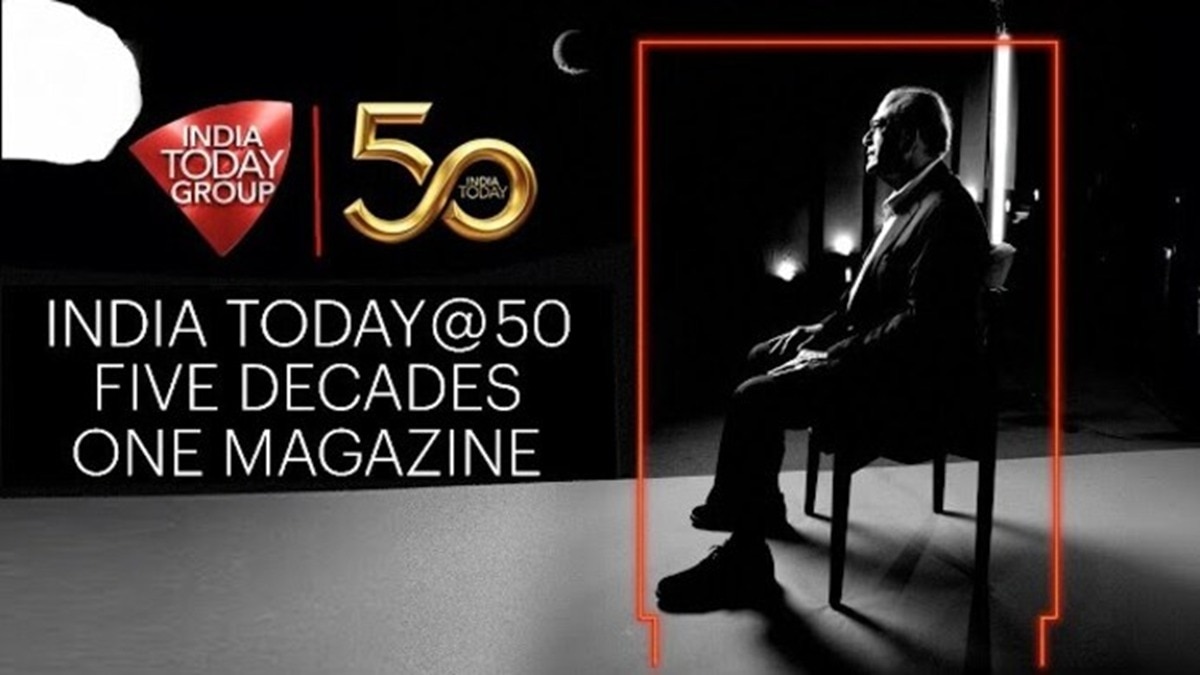
The third episode of the docu-series commemorating 50 years of the India Today Group delves into India’s tumultuous journey during the decade from 1995 to 2005. This period was characterized by significant political events, including the rise of globalization, coalition politics, nuclear tests, and the Kargil War, which shaped the nation’s internal dynamics and its global standing.
The episode begins with the aftermath of the Babri Mosque destruction, which the group’s Chairperson and Editor-in-Chief, Arun Purie, describes as a pivotal moment in Indian politics. Following this event, the country experienced profound caste and communal divisions, as noted by Raj Chengappa, the Group Editorial Director (Publishing). The era was marked by unstable coalition politics, with four governments collapsing between 1996 and 1999 due to complex alliances and ambiguous electoral mandates. This instability culminated in 1999 when the Atal Bihari Vajpayee-led National Democratic Alliance won a decisive victory in the general elections, securing 299 seats.
The decade also witnessed India’s emergence as a nuclear power. Just three months after taking office in 1998, Prime Minister Vajpayee authorized nuclear tests in Pokhran, Rajasthan. Chengappa remarked on the unexpected nature of these tests, emphasizing their significance as a clear message to the world regarding India’s nuclear capabilities and deterrence against potential threats.
Additionally, this period marked a new chapter in India-Pakistan relations, highlighted by Vajpayee’s historic bus journey from Amritsar to Lahore, an initiative aimed at fostering peace between the two nuclear-armed nations. However, this newfound camaraderie was short-lived, as tensions escalated into the Kargil conflict. Purie recalled that Kargil was the first war extensively covered by India Today, presenting unique challenges for journalists. Chengappa noted the difficulty in reporting from the front lines, where the Indian army faced significant risks due to the advantageous position of the Pakistani forces.
The episode also explores the broader transformation of Indian society amid globalization and economic liberalization. This period marked the beginning of steady economic growth, with advancements in technology and communication reshaping the landscape of Indian life.
In conclusion, the decade from 1995 to 2005 was a defining era for India, characterized by political upheaval, strategic military actions, and significant social changes. As the nation navigated these challenges, it laid the groundwork for its future trajectory on the global stage.
**FAQ:**
**What were the key events in India from 1995 to 2005?**
The key events included the Babri Mosque destruction, the rise of coalition politics, nuclear tests in 1998, the Kargil War, and significant economic reforms driven by globalization.