**Title:** Supreme Court Calls for Regulation of Online Content Amid YouTuber Case
**Meta Description:** The Supreme Court emphasizes the need for online content regulation during the hearing of a case against YouTuber Ranveer Allahbadia, addressing accountability issues.
**URL Slug:** supreme-court-regulation-online-content-youtuber-case
**Headline:** Supreme Court Highlights Need for Online Content Regulation in YouTuber Allahbadia Case
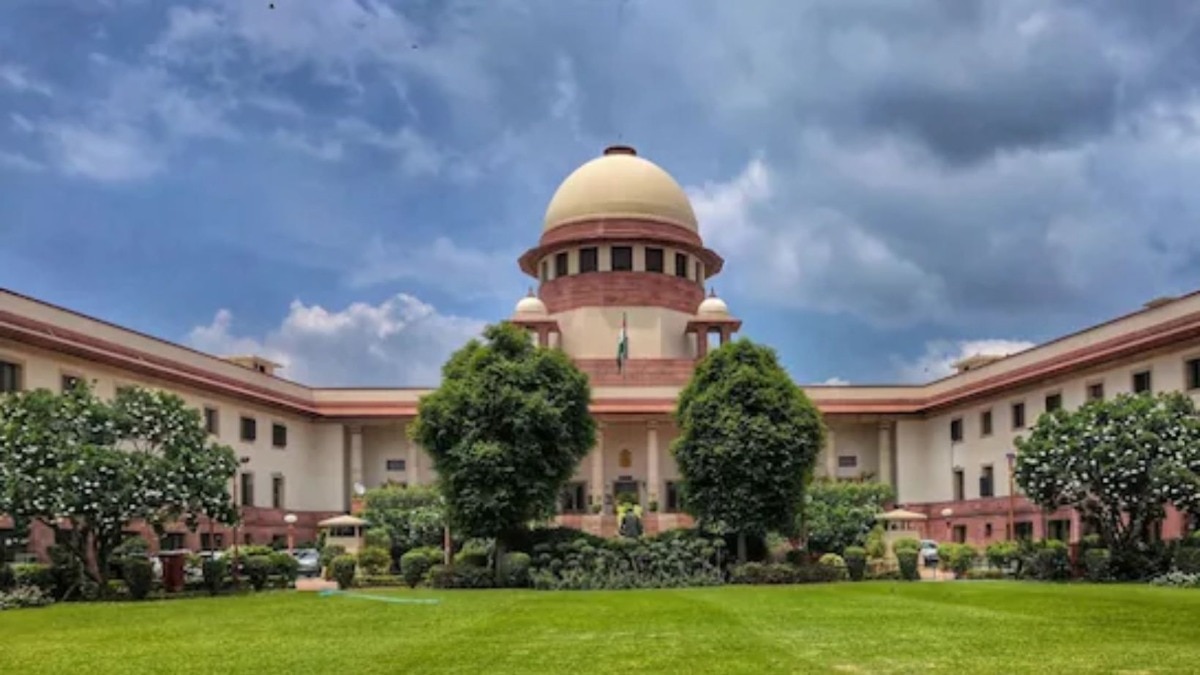
The Supreme Court of India recently addressed the pressing issue of online content regulation during a hearing involving YouTuber Ranveer Allahbadia. Chief Justice Surya Kant expressed concern over the lack of accountability for individuals who create and manage their own online channels. He remarked on the peculiar situation where creators operate without oversight, stating, “So I create my own channel, I am not accountable to anyone… somebody has to be accountable.” This statement underscores the court’s worries regarding the proliferation of unchecked user-generated content on digital platforms.
The case against Allahbadia arises from multiple first-information reports (FIRs) filed against him and other digital creators, stemming from jokes made on his show, “India’s Got Latent.” The complaints allege that the content in question insulted religious sentiments and disrespected women, raising significant concerns about the impact of such material on societal values.
Solicitor General Tushar Mehta highlighted that the core issue is one of “perversity” rather than mere obscenity, cautioning that creators should not exploit the concept of free expression to operate without limits. In response, Chief Justice Kant suggested that adult-oriented content could be accompanied by warnings and parental controls. He also proposed the establishment of an independent body to evaluate and regulate content during a transitional phase.
Justice Joymalya Bagchi added that while free speech is a fundamental right, it is subject to regulation, particularly when content poses a threat to national unity, integrity, or sovereignty. He emphasized that self-regulation by content creators is the most effective form of oversight, urging them to exercise caution and responsibility in their work.
During the proceedings, Chief Justice Kant warned creators to be vigilant about their public statements, noting that comments made both domestically and internationally are under scrutiny. He remarked, “Someone was making comments in Canada; we know all of this,” indicating the global reach of their influence.
Supporting the court’s stance, Solicitor General Mehta pointed out that some creators had even ridiculed the Supreme Court itself. In a notable development, the Chief Justice indicated that the court would consider refraining from imposing fines on the involved content creators if they proposed a donation to a reputable institution.
In conclusion, the Supreme Court’s deliberations reflect a growing recognition of the need for accountability and regulation in the realm of online content creation. As digital platforms continue to evolve, the implications of these discussions may shape the future landscape of online expression and responsibility.
**FAQ Section:**
**Q: Why is the Supreme Court discussing online content regulation?**
A: The Supreme Court is addressing online content regulation to ensure accountability among content creators, especially in light of complaints regarding potentially harmful or offensive material.