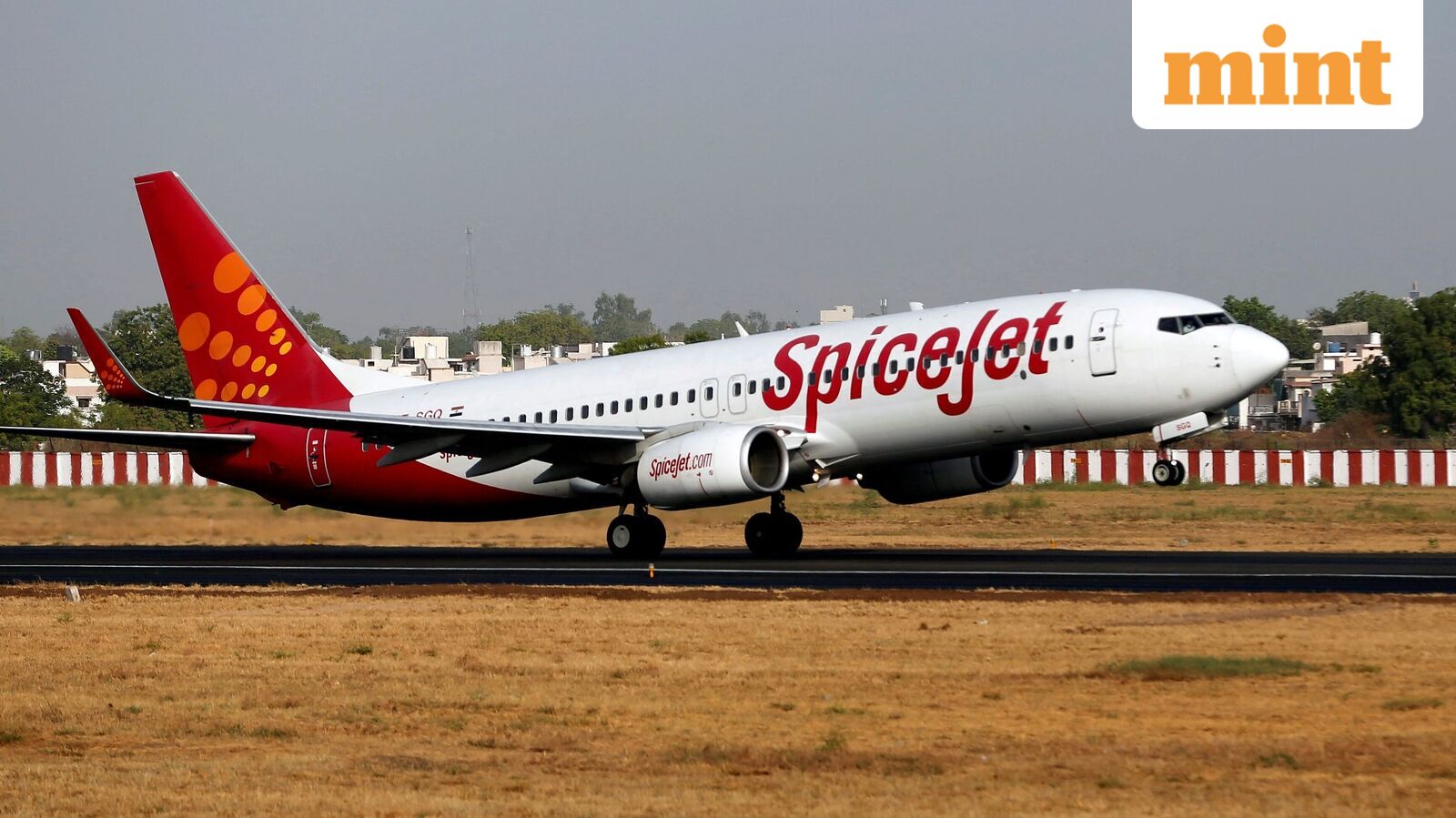
**SpiceJet’s Resurgence: Aiming for Market Recovery Amid Challenges**
SpiceJet, often labeled as financially troubled, is making significant strides to enhance its operational capacity. After facing near collapse in December 2014 and undergoing ownership changes and various challenges, the airline is now focused on expanding its fleet. Recently, SpiceJet’s domestic market share dipped below 2% for several months, primarily due to competition from Akasa Air. However, with a substantial fund infusion of ₹3,000 crore over the past year, the airline has resolved numerous disputes with lessors and creditors, including converting dues into equity with Carlyle Aviation Partners, which allowed SpiceJet to acquire 19 Q400 aircraft.
Despite these advancements, SpiceJet has struggled to return grounded planes to service as quickly as anticipated, largely due to supply chain issues. The airline’s relationship with lessors has been cautious, leading to a shortage of active planes available for induction. Additionally, its deal with Boeing for MAX aircraft remains uncertain, further complicating its recovery efforts as it watches its market share decline.
To counter these challenges, SpiceJet has turned to wet-leasing, a strategy where another airline operates flights on behalf of SpiceJet, providing both cockpit and cabin crew. This approach allows SpiceJet to market and manage these flights while temporarily boosting its operational capacity. This winter, the airline has nearly doubled its active fleet, and with IndiGo facing operational challenges during peak times, SpiceJet is positioned to benefit from this situation.
Currently, SpiceJet operates 16 wet-leased aircraft, including MAX 8 and B737-800NG models, alongside 18 planes from its own fleet, bringing the total to 34 operational aircraft. This marks a significant increase from the previous summer schedule, where its market share had fallen below 3%. SpiceJet now has more operational planes than Akasa Air, potentially regaining its position as the third-largest airline in the market, trailing only IndiGo and the Air India group.
The airline’s fleet includes aircraft registered in Malta, the UK, Ireland, and the Czech Republic. Currently, SpiceJet is flying three MAX 8 aircraft, while only two of its own MAX planes are operational. Additionally, 13 B737-800NG aircraft are in service as wet-leased planes, compared to just eight of its own. The airline also operates three B737-700 and one 737-900 aircraft, along with four Q400s, although the numbers may fluctuate based on maintenance requirements.
In conclusion, SpiceJet’s strategic shift towards wet-leasing and its recent financial maneuvers indicate a determined effort to reclaim its market position. As the airline navigates these challenges, its ability to adapt and expand its fleet will be crucial for its future success.
**FAQ**
**What is wet-leasing and how is SpiceJet using it?**
Wet-leasing is an arrangement where one airline provides aircraft, crew, and maintenance to another airline. SpiceJet is utilizing wet-leases to temporarily increase its operational capacity and manage flights while facing challenges in returning its own grounded aircraft to service.