**Supreme Court Limits SIT Investigation into Ashoka University Professor**
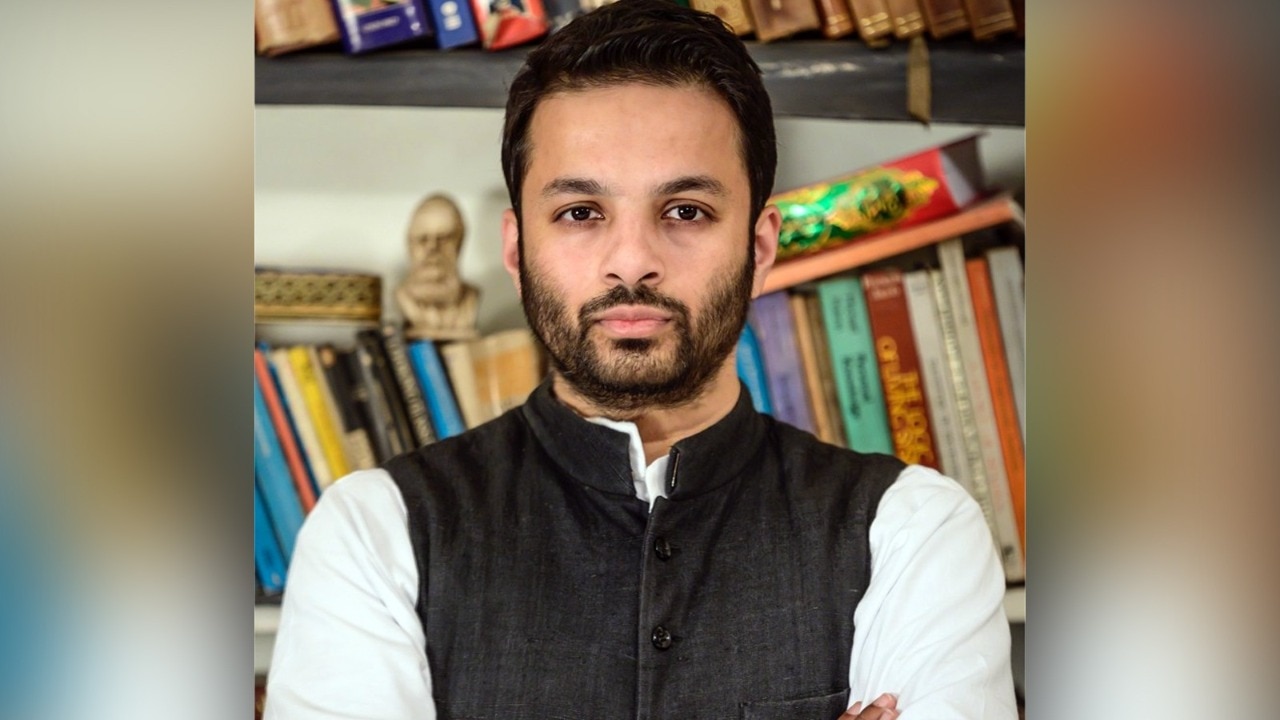
The Supreme Court has placed restrictions on the Special Investigation Team (SIT) probe concerning Ashoka University professor Ali Khan Mahmudabad, who was arrested due to a social media post related to Operation Sindoor. The court also extended the interim bail previously granted to him.
This ruling was prompted by concerns from senior advocate Kapil Sibal, representing Mahmudabad, who argued that the SIT, established by the Haryana government, might broaden its investigation beyond the specifics outlined in the FIRs. Sibal also contested reported limitations on Mahmudabad’s freedom of speech, stating, “The petitioner knows where he has landed himself, but the directions restricting him from speaking or making social media posts send the wrong signal.”
Justices Surya Kant and Dipankar Datta clarified that Mahmudabad retains his freedom of speech, but he is prohibited from discussing the contents of the FIR and the ongoing investigation. They emphasized their desire to avoid a parallel media trial regarding the case.
During the proceedings, the Additional Advocate General for Haryana mentioned Mahmudabad’s travels to 14 countries, suggesting that conditions must be established for the investigation. The court sharply questioned the relevance of examining his travel history, stating, “Why investigate travel?” and insisted that the SIT should not deviate from the contents of the FIR.
Regarding the request to access Mahmudabad’s electronic devices, the AAG indicated that the state required three weeks for verification. The court responded, “Both FIRs are a matter of record. What is the need for devices? Do not try to go and expand the scope of these proceedings.”
The bench directed that the SIT’s investigation be confined strictly to the contents of the two FIRs involved in the case. They ordered that the investigation report be presented to the court before submission to the jurisdictional court, and the interim protection for Mahmudabad will continue until further notice.
Additionally, the court instructed the Haryana government to respond to the National Human Rights Commission (NHRC), which has taken notice of the circumstances surrounding Mahmudabad’s arrest. The case against him originated from FIRs filed in Haryana, leading the academic to seek protection from coercive actions through the Supreme Court. He received interim relief last Wednesday after the court criticized him for seeking “cheap publicity” through his social media post.
The Haryana government confirmed that the SIT had been formed and that Mahmudabad had participated in the investigation. The court has mandated the SIT to submit a status report of its findings for review in the next hearing.
**FAQ**
**What are the implications of the Supreme Court’s ruling for Ali Khan Mahmudabad?**
The Supreme Court’s ruling allows Mahmudabad to maintain his freedom of speech while restricting the SIT’s investigation to the specific contents of the FIRs, ensuring that the investigation does not overreach.