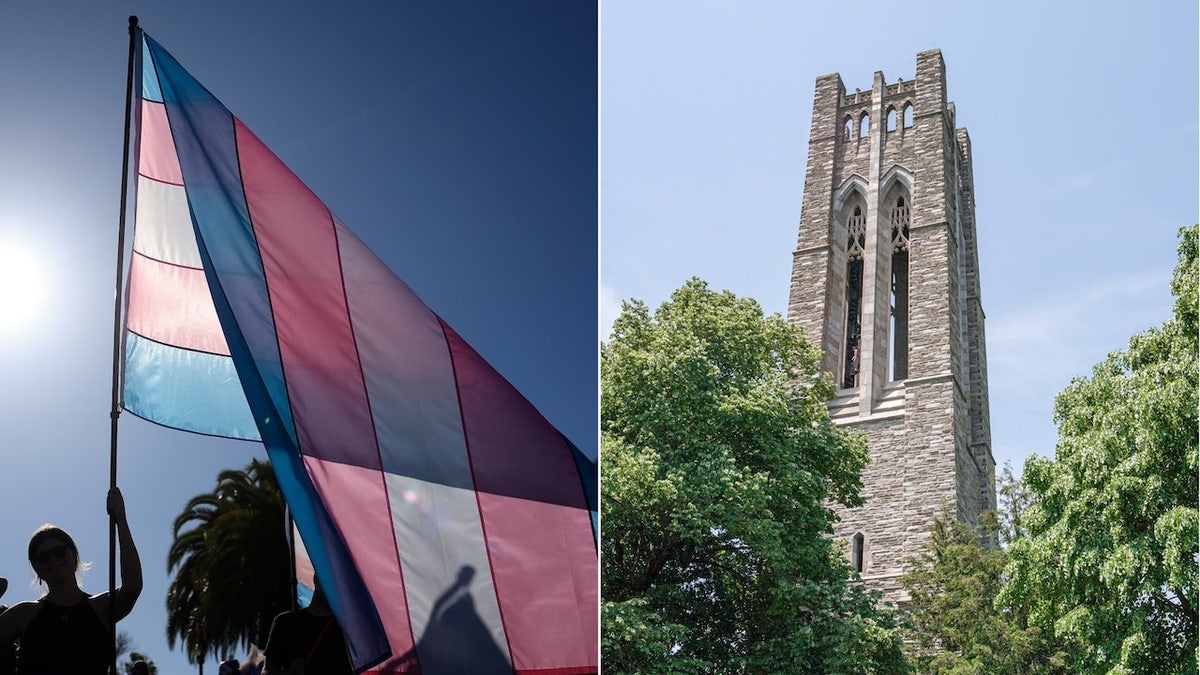
**Swarthmore College Faces Lawsuit from Transgender Athlete Over Team Removal**
Swarthmore College is currently addressing a lawsuit filed by transgender track and field athlete Evelyn Parts, who claims she was removed from the women’s team following a change in NCAA rules that barred males from competing in women’s sports. Despite this, Parts alleges that she was later reinstated to the team, even after the new regulations were implemented. This lawsuit marks Parts as the third transgender athlete in recent weeks to take legal action against a U.S. college for similar reasons.
In a statement regarding the lawsuit, Swarthmore emphasized its commitment to supporting transgender community members and fostering an inclusive campus environment. The college acknowledged the challenges faced by transgender individuals, particularly student-athletes, during this tumultuous period. “We worked to support Evie Parts in a time of rapidly evolving guidance, while balancing the ability for other members of the women’s track team to compete in NCAA events,” the statement read. However, due to the ongoing litigation, the college refrained from providing further comments.
Parts contends that she was informed in February that she could no longer compete on the women’s team, coinciding with the NCAA’s updated gender eligibility policy following an executive order signed by former President Donald Trump. Nevertheless, Parts claims she was “fully reinstated” to the women’s track team on April 11 and continued to compete until her graduation in May, despite the policy changes. Her achievements include winning the women’s 10,000 meters at the Bill Butler Invitational and participating in other events throughout the spring season.
Parts’ attorney, Susie Cirilli, has expressed confidence in the allegations presented in the lawsuit, stating, “The NCAA is a private organization that issued a bigoted policy. Swarthmore chose to follow that policy and disregard federal and state law.” If the allegations are substantiated, Swarthmore would not be the first institution to allow a biological male to compete in women’s sports post-NCAA rule change; Ithaca College previously permitted a transgender athlete to participate in a Division III rowing event.
As the legal proceedings unfold, the implications for transgender athletes in collegiate sports continue to be a contentious issue, raising questions about inclusivity, fairness, and the evolving landscape of sports regulations.
**FAQ**
**Q: What is the main issue in the lawsuit filed by Evelyn Parts against Swarthmore College?**
A: The lawsuit centers on Parts’ removal from the women’s track team following NCAA rule changes regarding transgender athletes, despite her later reinstatement to the team.