**Title:** Sydney Startup Hub Closure Leaves Entrepreneurs in Limbo
**Meta Description:** The abrupt closure of the Sydney Startup Hub has left many entrepreneurs scrambling for new spaces, raising concerns about the future of innovation in the city.
**URL Slug:** sydney-startup-hub-closure-entrepreneurs-limbo
**Headline:** Sydney Startup Hub’s Sudden Closure Disrupts Local Innovation Ecosystem
The recent closure of the Sydney Startup Hub has sent shockwaves through the local entrepreneurial community. After seven years of operation, the New South Wales government announced the abrupt shutdown of the York Street hub, terminating its lease three years early. This decision, driven by a desire to cut costs—reportedly $15 million annually—has left approximately 600 entrepreneurs and startup employees grappling with uncertainty.
The official rationale for the closure was straightforward: government ministers deemed the hub “not commercially viable and not fit for purpose.” In a climate of fiscal restraint and growing skepticism about the necessity of physical office spaces, this justification resonated with policymakers. However, for many who relied on the hub as a vital part of Sydney’s innovation ecosystem, the announcement felt like a sudden and jarring blow.
Carolyn Breeze, CEO of ASX-listed Scalare Partners, expressed her dismay, stating, “It’s no secret it has not been well received. The hub provided space, connection, and opportunities for thousands of entrepreneurs. Its absence creates a void that risks slowing momentum at a time when supporting founders has never been more important.” Breeze’s company has since acquired co-working provider Tank Stream Labs to offer displaced founders an alternative workspace, highlighting the hub’s significant role beyond just a physical location.
For entrepreneurs like Timothy Yang, the news came as a complete surprise. “We had no consultation, no clarity. One day we’re in, the next day we’re told it’s shutting,” he lamented. The sudden lack of certainty poses a significant challenge for young companies already facing financial constraints, forcing them into potentially costly leases or scattering them across various co-working spaces.
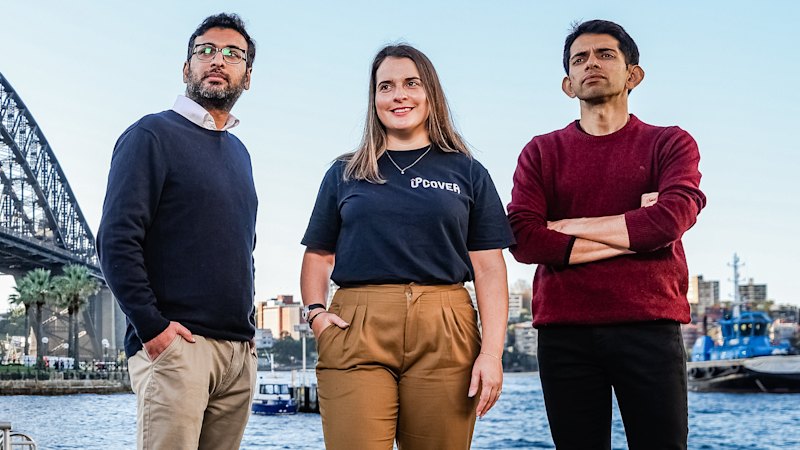
Many startups are now considering a remote-first approach, returning to home offices or even garages. Skye Theodorou, CEO of insurance tech startup Upcover, noted, “It’s left a lot of founders in limbo. Many are deciding whether to have their teams work remotely or fork out for a more expensive space, a cost they may not have budgeted for in a tight funding market.”
Theodorou, who was involved in the establishment of the hub, emphasized the difficulty in quantifying the impact of such spaces. “Start-ups are economic multipliers, and it’s hard to measure what a space like this really delivers. But for us, access to a free hub allowed us to focus on other costs,” she explained.
As the local startup community navigates this unexpected transition, the future of innovation in Sydney hangs in the balance. The closure of the Sydney Startup Hub serves as a stark reminder of the challenges faced by entrepreneurs in an evolving economic landscape.
**FAQ Section:**
**Q: What led to the closure of the Sydney Startup Hub?**
A: The NSW government closed the hub to cut costs, citing it as “not commercially viable” and a burden on taxpayers, costing $15 million annually.