


**CPB to Cease Operations in 2026 Following Funding Cuts**
The Corporation for Public Broadcasting (CPB), a fundamental pillar of American public media for nearly 60 years, is set to officially close its doors in early 2026 due to significant funding reductions by the US Congress. The CPB announced on Friday that it will begin the process of winding down operations immediately, with most staff positions expected to be eliminated by the end of September. A small team will remain until January 2026 to oversee the final distribution of funds and settle any outstanding obligations.
Founded in 1967 as part of President Lyndon B. Johnson’s “Great Society” initiative, the CPB has been a vital source of support for National Public Radio (NPR), the Public Broadcasting Service (PBS), and numerous local affiliates throughout the United States. Its mission has been to ensure that educational, cultural, and emergency programming reaches even the most isolated areas of the country.
“Public media has been one of the most trusted institutions in American life,” stated CPB President and CEO Patricia Harrison. “We are deeply grateful to our partners across the system for their resilience, leadership, and unwavering dedication to serving the American people.”
The decision to shut down follows a politically charged vote in Congress last month, where lawmakers voted to rescind over $500 million in annual funding for the CPB. This measure passed narrowly along party lines, with Republicans expressing long-standing concerns about perceived liberal bias in publicly funded media. Despite numerous attempts to defund the CPB over the years, this latest funding cut proved to be the final blow, leading to a financial crisis that the organization could not survive. Harrison noted that the closure comes “despite extraordinary efforts” by millions of Americans who reached out to their elected officials to advocate for public media funding.
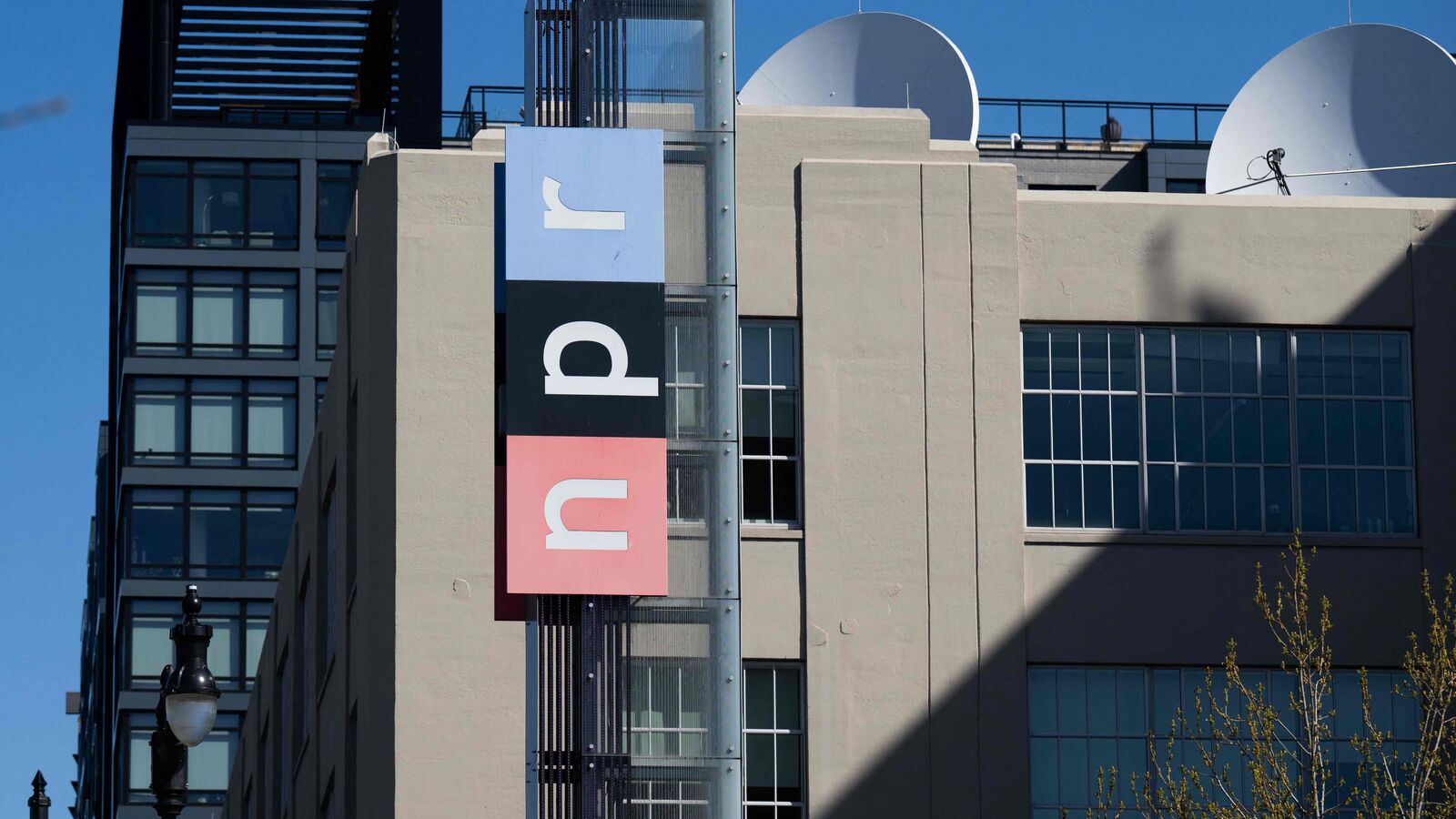
While iconic institutions like NPR and PBS, along with beloved programs such as Sesame Street and All Things Considered, are expected to continue, the loss of CPB support will have significant repercussions. Although PBS and NPR receive only a small portion of their funding directly from the CPB, many local stations—particularly in rural and underserved areas—rely heavily on these funds. Experts warn that numerous local stations may now face closure, depriving communities of essential news, cultural programming, and emergency alerts.
“Without federal support, public radio and TV in vast areas of the country are at risk of going dark,” cautioned a media analyst. “This impacts not only the stations but also the communities that depend on them for vital information.”
As the CPB prepares for its closure, the future of public media in America hangs in the balance, raising concerns about access to quality programming and information for millions of citizens.
**FAQ**
**What will happen to local NPR and PBS stations after CPB shuts down?**
Local NPR and PBS stations may face significant challenges due to the loss of CPB funding, with many potentially at risk of closure, particularly in rural and underserved communities.


