**Same-Sex Couples Seek Medical Proxy Rights in Delhi High Court**
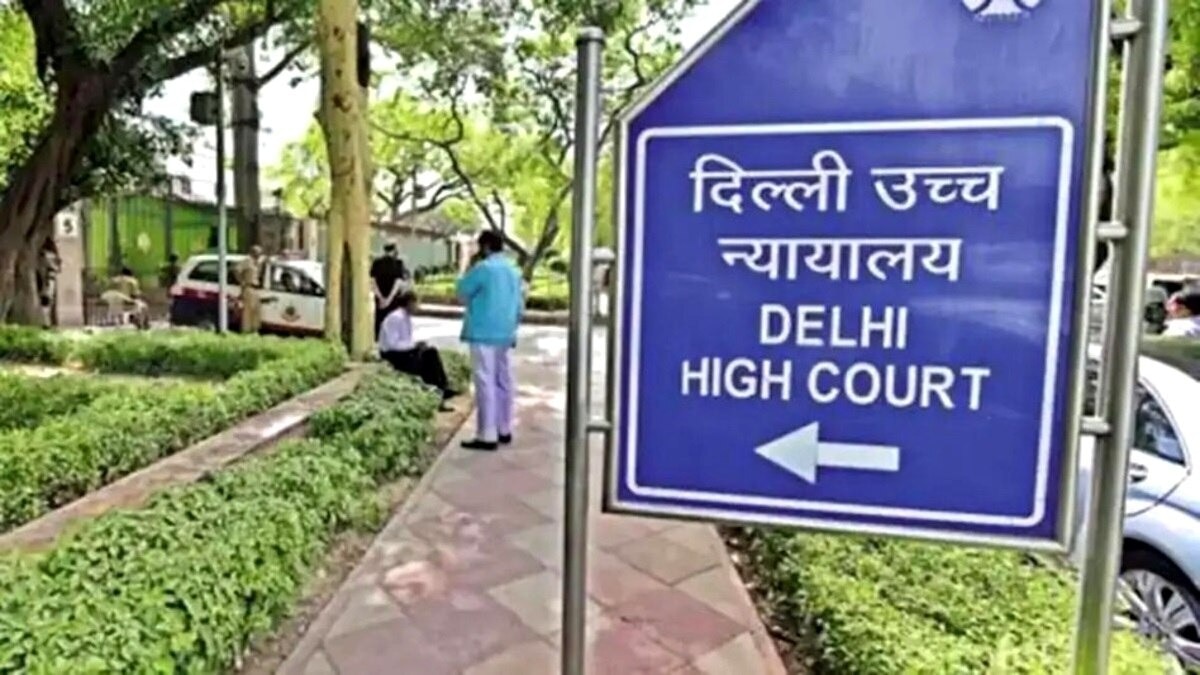
The Delhi High Court has called upon the Central Government and the National Medical Commission (NMC) to clarify why same-sex couples are barred from making medical decisions for one another as “medical proxies.” Justice Sachin Datta issued a notice to both entities, requesting their response by October. He questioned, “Why can this benefit not be extended to non-heterosexual couples? What is the procedure for individuals who live alone and rely on friends nearby?”
This inquiry arose during the hearing of a petition filed by Arshiya, a businesswoman from Delhi who married her partner, also a woman, in New Zealand in 2023. Both women are Indian citizens residing in Delhi, with Arshiya’s partner working as a lawyer. The petition challenges the National Medical Commission’s Registered Medical Practitioner (Professional Conduct) Regulations, 2023, which restrict medical decision-making authority to family members, such as spouses or parents, when a person is hospitalized and unable to make decisions.
The petition emphasizes that the Supreme Court’s 2023 Supriyo judgment called for policy reforms to recognize queer couples, yet the government has not acted, particularly regarding the ability of same-sex partners to serve as medical proxies in emergencies. Senior advocate Saurav Kirpal, representing the petitioner, highlighted that many LGBTQ+ individuals are estranged from their families and may lack nearby relatives to make critical medical decisions.
Filed by advocates Manjira Dasgupta and Bhargav Ravindran, the petition seeks court directives to enable hospitals and doctors to recognize non-heterosexual partners as medical representatives. Alternatively, it requests that a medical power of attorney granted in advance to a non-heterosexual partner be deemed valid.
Currently, Clause 7.16 of the Indian Medical Council Regulations, 2002, permits consent only from a “husband or wife, parent or guardian in the case of a minor, or the patient themselves.” In this case, Arshiya’s partner’s family resides outside Delhi, which the couple argues would hinder their ability to make essential medical decisions for each other in emergencies. The petition asserts that limiting medical consent to traditional family members overlooks the reality that many LGBTQIA+ individuals may trust close friends or partners more than estranged family members.
The court is set to hear the matter again on October 27.
**FAQ**
**Q: Why are same-sex couples seeking medical proxy rights?**
A: Same-sex couples are advocating for the right to make medical decisions for each other in emergencies, as current regulations only allow family members to do so, which can leave LGBTQ+ individuals without support during critical times.