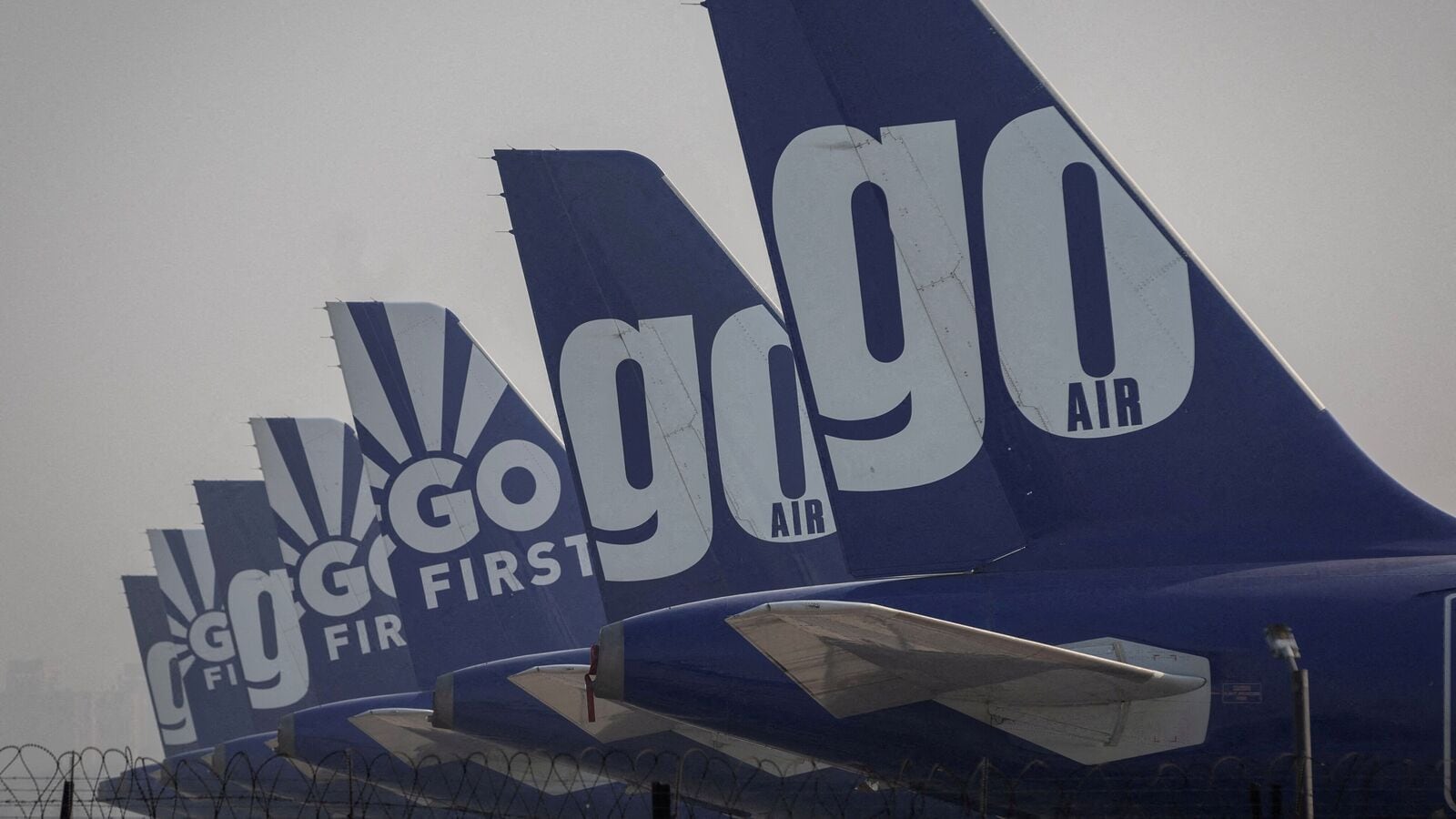
New Delhi, Jun 22 (PTI) Aviation watchdog DGCA has revised its operational guidelines for operators during adverse weather conditions, emphasising that safety should take precedence over “schedule adherence” and encouraged pilots to divert flights in unpredictable conditions. Issuing an updated operations circular to scheduled and non-scheduled operators, the regulator also said pilots should cross-check visual cues with instruments to ensure accurate approach and landing assessments to deal with visual illusions that may occur during night operations in rain or on wet runways. The circular also comes against the backdrop of recent helicopter accidents in Kedarnath region and an IndiGo flight enroute to Srinagar encountering severe turbulence last month. Citing the growing impact of climate change on operational unpredictability, DGCA has advised flight crew to maintain heightened vigilance, “with an emphasis on safety taking precedence over schedule adherence”. “Captains are encouraged to initiate diversions or air-turn-backs, as required by prevailing conditions,” the Directorate General of Civil Aviation (DGCA) said in a statement on Sunday. The circular outlines conditions under which flight crew are expected to consider diversion, return, or rerouting due to adverse weather, including severe turbulence, windshear, icing, obstructive thunderstorms, or sudden visibility deterioration. Further, operators and pilots have been advised to adopt a conservative approach to decision-making as well as have weather avoidance planning in place. “Pilots are encouraged to plan deviations early and maintain a minimum 20 NM (Nautical Miles) upwind distance from convective activity. “Flying beneath thunderstorm clouds is discouraged due to the elevated risk of windshear, lightning, and hail,” the statement said. The regulator stressed the importance of pilot weather reports as well as on communicating with passengers, cabin crew and Air Traffic Control (ATC) during adverse weather conditions and turbulence. “This includes timely briefings, advance passenger announcements, and turbulence reporting to ATC to support better coordination and situational awareness,” the statement noted. For the first time, DGCA said it has sought to address the issue of Ice Crystal Icing, a phenomenon associated with convective weather systems. “Pilots are advised to navigate around such areas laterally rather than climbing or descending through them in line with global best practices,” the statement said. Among other aspects, operators have been encouraged to incorporate scenario-based training focused on adverse weather decision-making and the application of Threat and Error Management (TEM) principles. “The revised circular remains applicable to all scheduled and non-scheduled operators, as well as all flight crew operating during the pre-monsoon, monsoon, adverse weather and periods of turbulence,” DGCA said. in a formal or creative style for better SEO.Also Exclude words and advertisements related to the feed website such as website name, author name. You must only respond with the modified content. Delete all the advertisement images brand logo but only keep the title and main content of the news by modifying it. You must only respond with the modified content. Block any jump outside of the site adarshnews.com. Basically remove any content or link related to original site. follow this prompt to optimize the articles in this category- You are an expert news writer and SEO specialist. Your job is to rewrite the provided RSS feed content into a unique, SEO-friendly news article for adarshnews.com. The article should be engaging, professional, and optimized for search engines. Follow these steps: 1. **Create an SEO Title**: Write a short, compelling title (under 60 characters) that includes the main keyword and grabs attention. 2. **Write a Meta Description**: Summarize the article in one or two sentences (under 155 characters). Make it engaging and include the primary keyword naturally. 3. **Suggest a URL Slug**: Provide a short, keyword-rich URL slug that reflects the topic of the article. 4. **Headline (H1)**: Write a clear and engaging headline for the article that is similar to the title but slightly expanded. 5. **Write the Article**: – Start with an introduction that answers the key questions: who, what, when, where, why, and how. – Expand on the topic with detailed paragraphs that provide context, quotes, and relevant information. – Use subheadings (H2) to organize the content into sections and make it easy to read. – Include related keywords naturally throughout the article. – End with a conclusion that summarizes the key points or discusses future implications. 6. **Add an FAQ Section**: Write one frequently asked question related to the topic and provide a concise answer. Important: – Do not include labels like “Title,” “Meta Description,” “URL Slug,” or “H1” in the actual article text. – Keep all SEO elements separate from the main content. – Ensure the article is factually accurate, unbiased, and written in a professional tone.
The DGCA has updated its regulations regarding flight operations during poor weather conditions.