**India to Conduct First Digital Census in 2026-2027**
The Union Home Ministry has announced that India will conduct its first population census since 2011 in two phases: the Houselisting Operation (HLO) on October 1, 2026, and the Population Enumeration (PE) on March 1, 2027. This upcoming census marks a significant milestone as it will be the first digital census in the country, allowing respondents to provide information from the comfort of their homes.
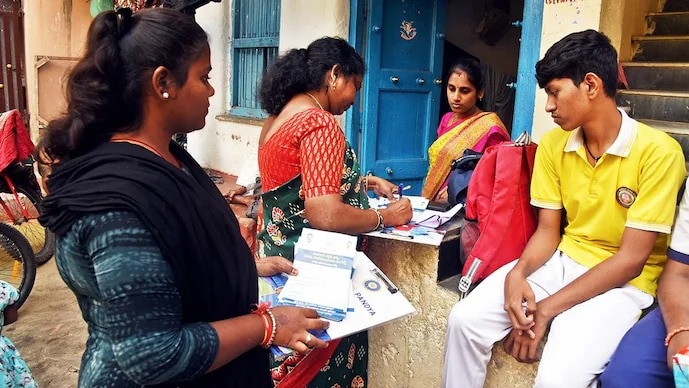
During the Houselisting Operation, data will be collected on various aspects, including family income, housing conditions, and available amenities. The second phase, Population Enumeration, will focus on gathering comprehensive demographic, socio-economic, cultural, and personal information about every individual living in a household. Notably, this census will also include caste enumeration for the first time since India gained independence, as announced by Union Minister Ashwini Vaishnaw earlier this year.
The announcement of the Census 2027 paves the way for the implementation of the Women’s Reservation Bill, which reserves one-third of the seats in the Lok Sabha and state assemblies for women. This bill can only be enacted following the census and subsequent delimitation exercise, which involves redrawing constituency boundaries based on population data. The delimitation process had been on hold since 1971 due to various constitutional amendments, with the 84th Amendment Act of 2001 allowing for adjustments based on the 2001 Census without altering the number of Lok Sabha and state assembly seats.
In essence, the 84th Amendment effectively extended the freeze on delimitation until the first census after 2026, making the upcoming census a crucial step in reshaping India’s political landscape.
**FAQ**
**Q: Why is the 2026-2027 census significant for India?**
A: This census is significant as it will be India’s first digital census, include caste enumeration, and facilitate the implementation of the Women’s Reservation Bill, impacting political representation.