**Bengaluru’s Rain Crisis: The Ghost of Sampangi Lake Resurfaces**
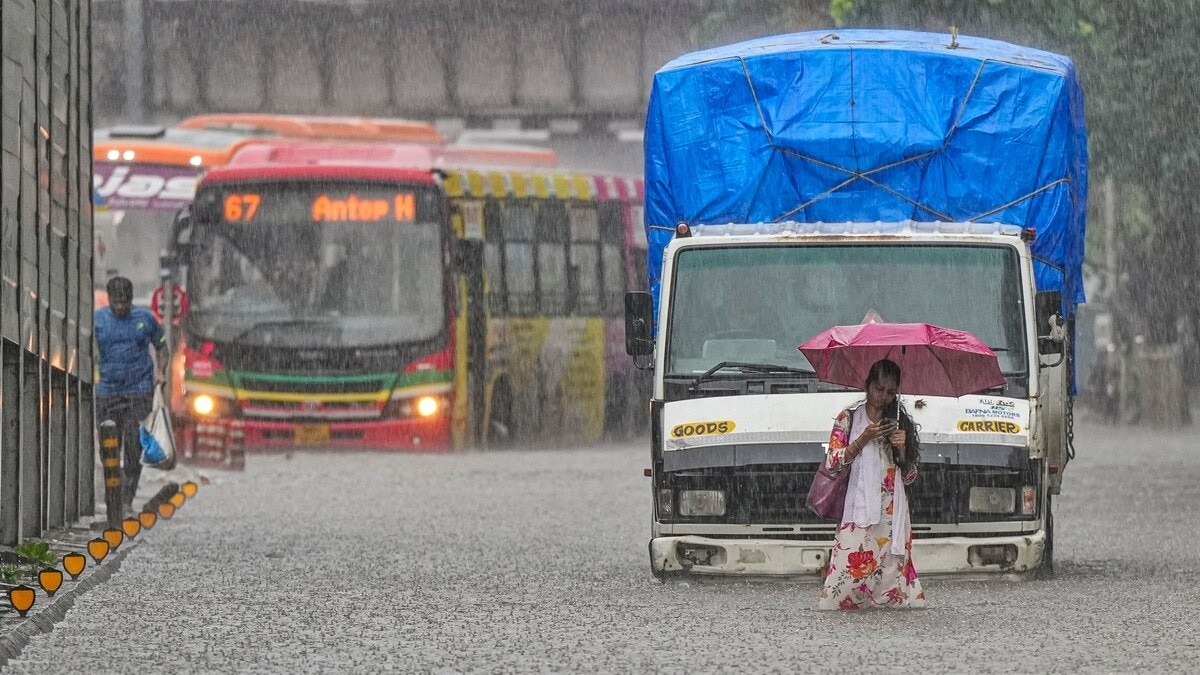
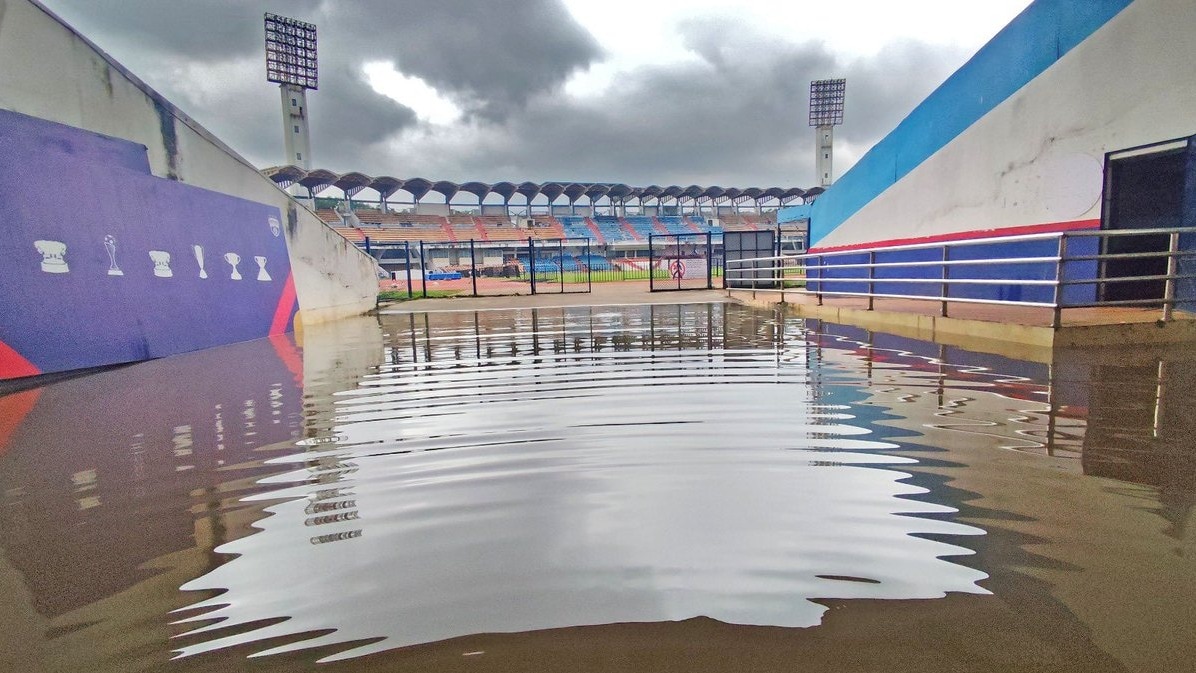
Bengaluru experienced heavy rainfall over the weekend, leading to significant disruptions across the city. As the rains persisted into Monday, the situation worsened by Tuesday, with many low-lying areas submerged, roads closed, and ground floors inundated. A striking 20-second video capturing floodwaters rushing into the iconic Sree Kanteerava Stadium has gone viral, evoking a mix of disbelief, humor, and concern among residents. One local remarked, “This isn’t Kanteerava Stadium; it’s Sampangi Lake reclaiming its legacy. Nature always finds a way.”
**The Forgotten History of Sampangi Lake**
Beneath the stadium lies the remnants of Sampangi Lake, a once-thriving water body that was a vital resource for Bengaluru. Established in the 1500s by the city’s founder, Kempe Gowda, the 35-acre lake supported fishing, agriculture, and daily life until the late 1800s when piped water from Hesaraghatta diminished its significance. Over time, neglect and pollution led to its drainage in 1937, paving the way for the construction of Kanteerava Stadium in the 1940s, while the surrounding farmland transformed into residential areas.
Sandeep Anirudhan, a convener for the Citizens’ Agenda for Bengaluru, criticized the decision to replace the lake with the stadium, calling it “one of the biggest blunders that Bengaluru has ever seen.” He lamented the loss of over 1,600 lakes, stating, “We disconnected from our natural resources the moment we relied on piped water.”
Today, only a small tank in Sampangiramnagar remains as a tribute to the lake, celebrated during the annual Karaga festival. However, the recent rains have brought the lake’s legacy back to the forefront, reminding residents of its historical significance.
**Lessons from Lost Lakes**
Sandeep poses a thought-provoking question: “Bengaluru, the city of lakes, didn’t have a single natural lake. So who built them? And why did we forget how?” He reflects on the knowledge of previous generations, who understood the importance of sustainable living and natural resource management.
While modern education fills minds with facts, it often overlooks the deep understanding of ecological systems that once kept Bengaluru lush and water-secure. This disconnect may explain the city’s current struggles with water management and urban planning.
**Conclusion**
As Bengaluru grapples with the consequences of heavy rainfall and the resurfacing of its historical water bodies, it serves as a reminder of the importance of preserving natural resources. The legacy of Sampangi Lake is a call to action for residents and policymakers alike to reconnect with nature and prioritize sustainable practices in urban development.
**FAQ**
**What happened to Sampangi Lake in Bengaluru?**
Sampangi Lake was drained in 1937 to make way for Kanteerava Stadium, leading to the loss of a vital water resource for the city. Today, its legacy is being revisited as heavy rains cause flooding in the area.