**Title:** The 1971 India-Pakistan War: A Turning Point in Geopolitics
**Meta Description:** Explore the pivotal events of the 1971 India-Pakistan War and how it shaped India’s strategic alliance with the Soviet Union.
**URL Slug:** 1971-india-pakistan-war-geopolitics
—
**The 1971 India-Pakistan War: A Turning Point in Geopolitics**
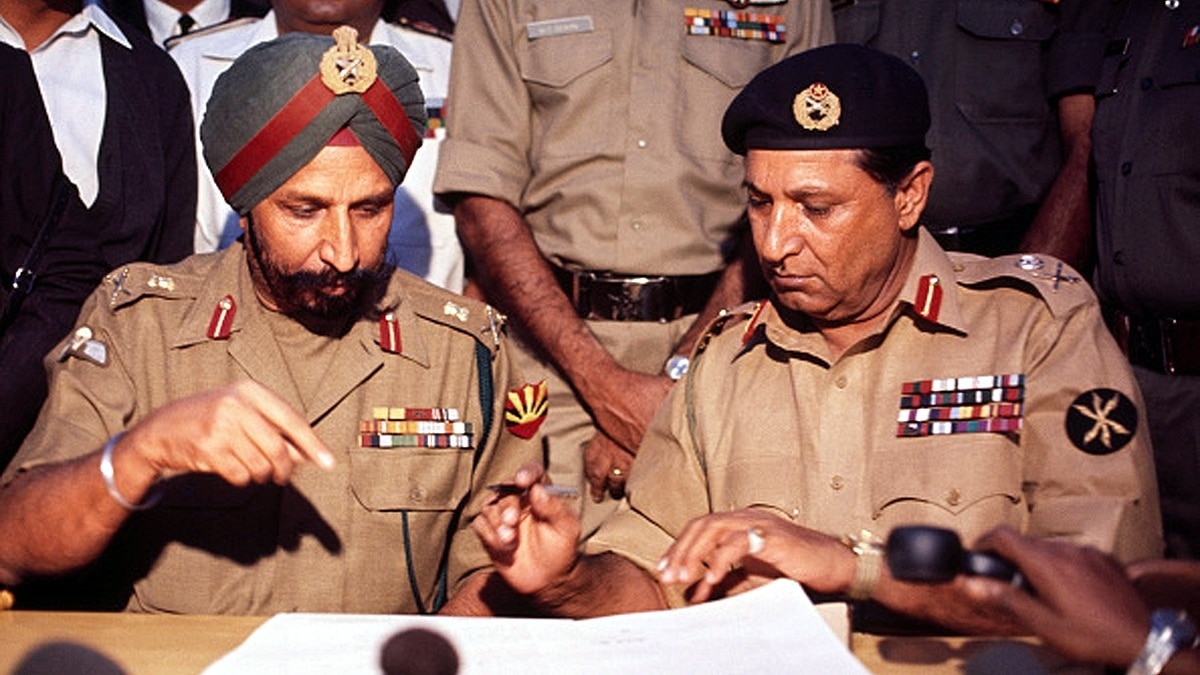
In December 1971, a significant chapter in South Asian history unfolded as a powerful American naval fleet loomed off India’s east coast, while the fate of an entire nation teetered on the brink. President Richard Nixon aimed to bolster Yahya Khan’s faltering military efforts in East Pakistan by deploying Task Force 74 from the US Navy’s Seventh Fleet to the Bay of Bengal. However, India’s urgent appeal for assistance to the Soviet Union disrupted Nixon’s strategy, leading to a decisive victory for India—a demonstration of its military strength and superiority over Pakistan. This event marked one of the most critical diplomatic maneuvers in the history of independent India.
The Soviet Union’s support not only tipped the scales in favor of India during the 1971 conflict but also laid the groundwork for a significant strategic partnership that would evolve in the 21st century. As the West analyzes President Putin’s recent visit to India, it is essential to reflect on the geopolitical dynamics that facilitated this relationship. This narrative reveals how Russia emerged as an indispensable strategic ally for India, serving as a counterbalance to American influence in South Asia.
**The Humanitarian Crisis in East Pakistan**
The Bangladesh Liberation War of 1971 was rooted in the systemic oppression and political repression faced by the Bengali population in East Pakistan. The situation escalated in March 1971 when the Pakistan Army initiated Operation Searchlight, aiming to suppress nationalist sentiments among the Bengali people. This brutal campaign resulted in widespread atrocities, including the rape of tens of thousands of women and the deaths of millions of civilians under General Yahya Khan’s regime. The ensuing humanitarian crisis led to a massive influx of refugees into India, placing immense strain on its economy, social infrastructure, and internal security. Faced with an untenable situation that threatened regional stability, Prime Minister Indira Gandhi had no choice but to intervene militarily.
**A Treaty That Proved Decisive**
India’s experience in the 1962 war with China made Prime Minister Indira Gandhi and her advisors cautious about engaging in military conflict without adequate preparation. In 1971, Pakistan was backed by three major powers—the United States, the United Kingdom, and China—whose support was crucial in any potential conflict with India. However, Gandhi’s diplomatic acumen allowed her to counter this alignment effectively. She swiftly negotiated the Indo-Soviet Treaty of Peace, Friendship, and Cooperation, signed in New Delhi on August 9, 1971. While not a formal defense pact, the treaty opened avenues for defense cooperation, with a critical clause stating that if either nation faced an attack, the other would intervene to “remove such threat” and ensure peace and security.
**Nixon’s Desperate Move Against India**
As the war for Bangladesh formally commenced in December 1971, India quickly gained the upper hand, showcasing its military capabilities and strategic foresight. The conflict not only reshaped the geopolitical landscape of South Asia but also solidified India’s position as a regional power, with lasting implications for its foreign relations.
**Conclusion**
The 1971 India-Pakistan War was a defining moment that not only altered the course of history for Bangladesh but also established India as a formidable force in the region. The strategic partnership with the Soviet Union that emerged from this conflict has continued to influence India’s geopolitical stance, particularly in countering Western hegemony in South Asia.
**FAQ**
**What was the significance of the Indo-Soviet Treaty during the 1971 war?**
The Indo-Soviet Treaty was crucial as it provided India with a strategic ally against Pakistan, ensuring military support and altering the balance of power in the region during the 1971 war.