**Zubin Mehta: Retaining Indian Citizenship Amid Global Conflicts**
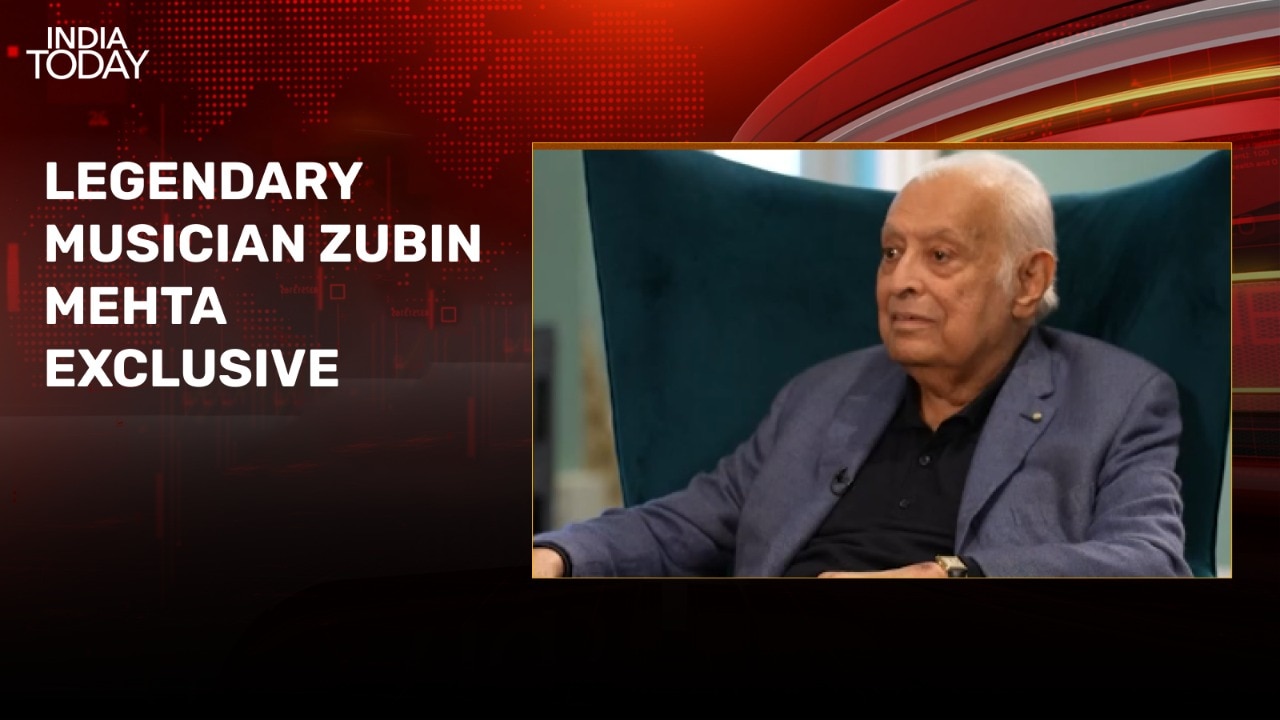
Renowned conductor Zubin Mehta has recently shared insights into his decision to retain Indian citizenship, alongside his perspectives on the ongoing Israel-Palestine conflict. Mehta, who has spent a significant portion of his life in Israel, emphasizes the deep connection he feels to his Indian roots, which he considers an integral part of his identity.
In a world increasingly defined by geopolitical tensions, Mehta’s reflections on the Israel-Palestine conflict highlight the complexities of cultural and national identities. He advocates for peace and understanding, urging both sides to seek common ground rather than perpetuating cycles of violence. His unique position as an artist who straddles multiple cultures allows him to offer a nuanced view of the situation, emphasizing the importance of dialogue and empathy.
Mehta’s commitment to his Indian heritage is evident in his continued engagement with Indian music and culture, which he believes enriches his artistic expression. He asserts that retaining his Indian citizenship is not merely a legal status but a profound connection to a land that has shaped his values and artistic vision.
As the Israel-Palestine conflict continues to evolve, Mehta’s voice serves as a reminder of the power of art to bridge divides and foster understanding. His call for peace resonates not only within the realms of music but also in the broader context of global citizenship and cultural diplomacy.
In conclusion, Zubin Mehta’s reflections on his Indian citizenship and the Israel-Palestine conflict underscore the importance of cultural identity in a world fraught with division. His advocacy for peace and understanding remains a vital message in today’s complex geopolitical landscape.
**FAQ**
**Why did Zubin Mehta choose to retain his Indian citizenship?**
Zubin Mehta chose to retain his Indian citizenship to maintain a deep connection to his roots, which he believes are essential to his identity and artistic expression.