**Shiv Sena MLA Rajendra Dhedya Gavit’s Election Validated by Bombay High Court**
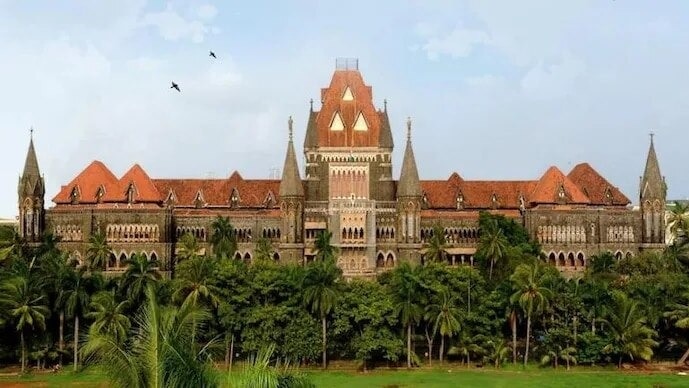
The Bombay High Court has upheld the election of Shiv Sena MLA Rajendra Dhedya Gavit, who secured his position in the Palghar Assembly constituency of Maharashtra. The court dismissed a petition filed by Sudhir Jain, a voter from the reserved Scheduled Tribe constituency, who challenged Gavit’s election based on claims regarding his second marriage.
Jain, a social activist from Palghar, raised concerns about Gavit’s declarations in the Affidavit in Form-26 submitted with his nomination papers. Gavit, who previously served as the tribal development minister in the Congress-NCP alliance government, switched to the BJP in 2018 before winning the Palghar Lok Sabha seat in a bypoll. He later joined the Shiv Sena to contest from Palghar in the 2019 elections.
The crux of Jain’s argument was that Gavit incorrectly identified Rupali Gavit as his second wife, asserting that such a declaration contradicts the Hindu Marriage Act, which renders second marriages void. Senior Advocate Neeta Karnik, representing Jain, contended that there is no provision for declaring a second spouse in the election affidavit, thus claiming Gavit’s addition of this information violated Rule 4A of the election rules.
In defense, Advocate Nitin Gangal, representing Gavit, argued that the inclusion of a column in Form-26 for accurate disclosure does not constitute grounds for invalidating the election. He emphasized that there are no restrictions preventing candidates from voluntarily disclosing information, asserting that Gavit’s transparency regarding his marriage to Rupali Gavit reflects his integrity.
Gangal further noted that Section 2 of the Hindu Marriage Act, 1955, does not apply to tribal individuals, such as Gavit, who belongs to the Bhil community, where polygamy is a recognized custom.
After reviewing the arguments, Justice Sandeep Marne’s bench concluded that Gavit’s honest disclosure of his second marriage details did not violate Rule 4A of the election rules. The court affirmed that adding a column to the Form-26 Affidavit for truthful disclosure does not render it defective or violate election provisions.
In summary, the Bombay High Court’s ruling reinforces the validity of Gavit’s election, highlighting the importance of transparency in candidate disclosures while clarifying the legal context surrounding marriage practices within tribal communities.
**FAQ**
**Q: What was the basis of the petition challenging Rajendra Dhedya Gavit’s election?**
A: The petition claimed that Gavit’s declaration of his second marriage was incorrect and violated election rules, as second marriages are void under the Hindu Marriage Act. The court ultimately dismissed the petition, affirming the validity of Gavit’s election.