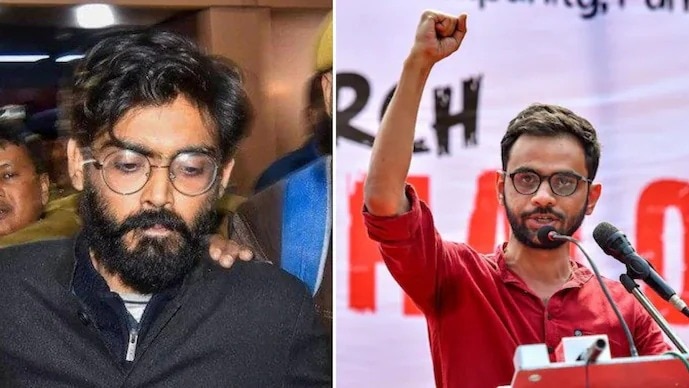
TITLE TAG: Delhi MLA Challenges Waqf Amendment Bill in Supreme Court
META DESCRIPTION: Delhi MLA Amanatullah Khan joins two others in challenging the Waqf Amendment Bill, citing violations of fundamental rights.
URL SLUG: delhi-mla-challenges-waqf-amendment-bill
H1: Delhi MLA Amanatullah Khan Joins Legal Challenge Against Waqf Amendment Bill
Delhi MLA Amanatullah Khan has become the third individual to contest the constitutional validity of the Waqf (Amendment) Bill, 2024, in the Supreme Court. His petition follows those submitted by AIMIM chief Asaduddin Owaisi and Congress MP Mohammad Jawed, raising significant concerns regarding the implications of the bill on fundamental rights.
Khan’s petition asserts that the amendment infringes upon several fundamental rights guaranteed by the Constitution, including Articles 14 (equality before the law), 15 (prohibition of discrimination), 21 (protection of life and personal liberty), 25 and 26 (freedom of religion), 29 and 30 (cultural and educational rights of minorities), and 300-A (right to property). The plea argues that the amendments threaten the religious and cultural autonomy of the Muslim community, facilitate arbitrary executive interference, and undermine the minority’s constitutionally protected right to manage their religious and charitable institutions.
Mohammad Jawed was the first to approach the Supreme Court regarding the bill. As a member of the Joint Parliamentary Committee that reviewed the amendment, he contended that the new provisions impose specific religious restrictions on Muslims, such as limiting the establishment of new Waqfs based on the duration of religious practice—a condition not supported by Islamic jurisprudence. His petition highlights that this selective intervention, which does not impose similar conditions on other religious institutions, constitutes arbitrary classification, as Hindu and Sikh religious trusts continue to enjoy greater governance autonomy.
Following Jawed’s petition, Asaduddin Owaisi also filed a challenge against the bill in the Supreme Court, with Amanatullah Khan submitting his plea shortly thereafter. A central issue raised by all three petitioners is the proposed alteration in the composition of the Waqf Boards and the Central Waqf Council, which would now include non-Muslim members. Critics argue that this change represents a direct intrusion into religious administration, contrasting sharply with the exclusive self-management granted to institutions of other faiths. Legal experts assert that this differential treatment violates Article 14 and undermines the principles of secularism.
The petitions collectively express concern that the amendment undermines the spirit of Article 25 by imposing restrictions on religious expression and the ability of new converts to dedicate property for religious or charitable purposes—a practice historically protected under Islamic law.
INTERNAL LINK SUGGESTION: Explore more about the implications of the Waqf Amendment Bill.
IMAGE CAPTION SUGGESTION: Delhi MLA Amanatullah Khan challenges the Waqf Amendment Bill in the Supreme Court, citing fundamental rights violations.
FAQ: Q: What are the main concerns regarding the Waqf Amendment Bill?
A: The main concerns include violations of fundamental rights, restrictions on religious autonomy, and changes in the governance structure of Waqf institutions.