**NCAA Settlement Controversy: Olivia Dunne Voices Concerns**
**Meta Description:** Olivia Dunne, a prominent collegiate athlete, raises objections against the NCAA’s $2.8 billion settlement, questioning the valuation of athletes’ NIL rights.
**URL Slug:** ncaa-settlement-olivia-dunne-objections
**Headline:** Olivia Dunne Challenges NCAA’s $2.8 Billion Settlement Over NIL Valuation
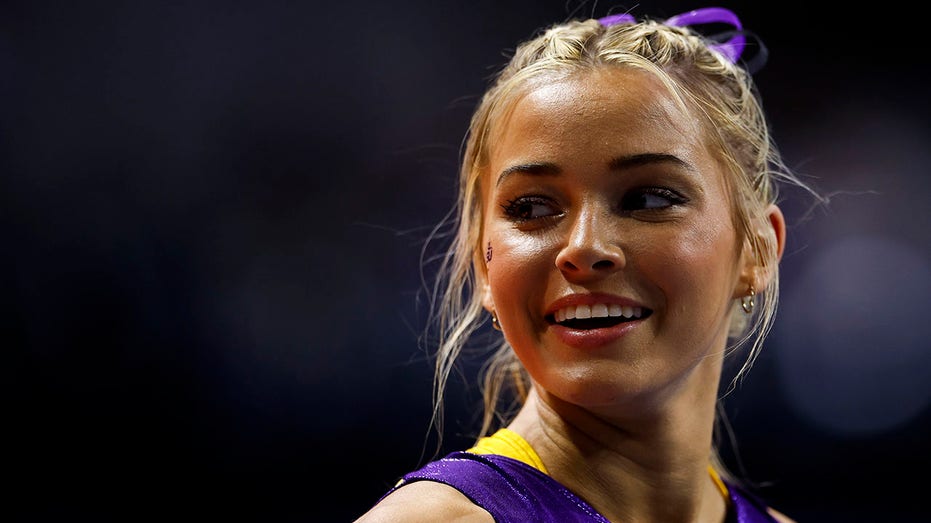
In a significant development for collegiate athletics, Olivia Dunne, one of the most-followed athletes on social media, testified against the NCAA’s proposed $2.8 billion settlement during the final hearing on Monday. Dunne, an LSU gymnast and a leading figure in the name, image, and likeness (NIL) landscape, was among four college athletes who expressed their concerns regarding the settlement.
Dunne criticized the methodology used to determine the NIL value of athletes, asserting that her own valuation was underestimated. “As a Division I athlete and a businesswoman, I’ve been the highest-earning female athlete since the NIL rules changed,” she stated, emphasizing that the settlement does not reflect her true worth. “This settlement uses outdated logic to assess modern value,” she added. “It captures a limited view of a developing market, disregarding the growth trajectory and potential opportunities we have lost.”
The settlement, named after Arizona State swimmer Grant House, aims to allow schools to allocate 22% of their revenue from media rights, ticket sales, and sponsorships directly to college athletes for the use of their NIL. It is projected to provide over $2.5 billion to athletes who were previously unable to earn NIL income before the NCAA revised its regulations in 2021. However, the majority of the funds are expected to benefit former football and men’s basketball players from power-conference schools, as these sports generate the most revenue.
Additionally, the settlement proposes the establishment of a clearinghouse to ensure that any NIL deal exceeding $600 is valued at fair market rates, aiming to prevent potential pay-for-play arrangements.
U.S. District Judge Claudia Wilken, who presided over the hearing, did not indicate that the athletes’ objections would alter her stance on the settlement. She acknowledged their concerns and requested further feedback from the attorneys involved. A decision from the judge is anticipated in the coming weeks. “I believe this is a good settlement worth pursuing,” Wilken remarked, suggesting that some issues could be addressed with collaborative efforts.
The NCAA has already received preliminary approval for the settlement, which is set to take effect on July 1. In a statement, the organization highlighted the potential for student-athletes to receive nearly 50% of athletic department revenue in a fair and sustainable manner if the settlement is approved.
**FAQ Section**
**Q: What are the main concerns raised by Olivia Dunne regarding the NCAA settlement?**
A: Olivia Dunne expressed that the settlement undervalues athletes’ NIL rights and uses outdated methods to assess their worth, failing to reflect the evolving market and potential earnings.