**Title:** New Social Media Age Restrictions: Impact on Teens
**Meta Description:** Discover how new social media age restrictions affect teens and the potential mental health implications as they adapt to changes.
**URL Slug:** social-media-age-restrictions-impact-teens
—
**New Social Media Age Restrictions: Impact on Teens**
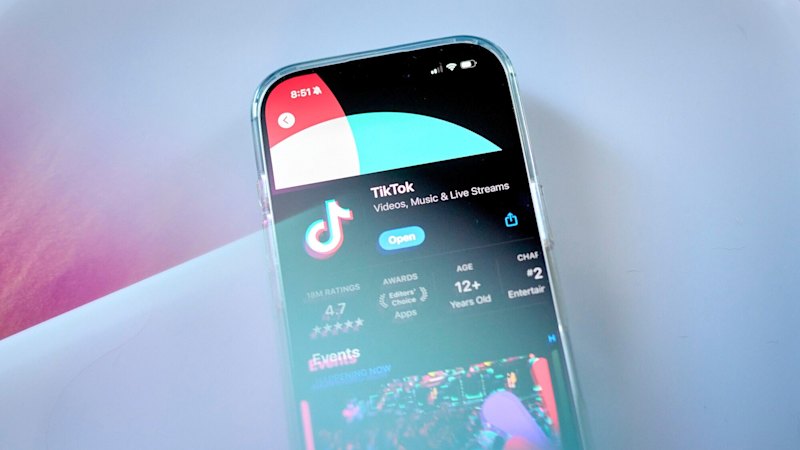
As December 10 approaches, many apps and platforms impacted by the government’s new social media age restrictions have outlined their compliance strategies. Following this date, the eSafety commissioner’s office will assess the effectiveness of these measures. Meanwhile, thousands of teenagers will be adjusting to a new reality, a focus of much analysis and coverage surrounding the social media ban.
Experts in psychology and welfare have raised concerns about the mental health effects of these restrictions, particularly for those under 16 who spend significant time online. For many young users, social media serves as a vital connection to communities they may not have access to otherwise. While the restrictions may seem awkward and incomplete, they could ultimately prove beneficial.
There is a strong possibility that technological workarounds, such as virtual private networks (VPNs), will allow underage users to bypass the restrictions by masking their location. Although social media companies can potentially detect these methods, it is not a straightforward task. Additionally, the proposed age verification methods have been criticized for being easily circumvented. For instance, a 14-year-old could claim to be older, and if a parent uses their own image for verification, the ban could be easily avoided. Ironically, the ban was implemented due to a lack of trust in parents to safeguard their children, yet it allows for easy evasion if parents are complicit.
The immediate effects of these restrictions—such as initial challenges, disputes with non-compliant platforms, and the ease of circumvention—do not necessarily reflect the long-term consequences. A majority of Australians support the idea of restricting social media access for those under 16, indicating a widespread acknowledgment of the associated risks. An age limit on these platforms could lead to positive changes, regardless of the government’s intentions or the execution of the ban.
While it is essential for children to communicate, share, learn, and socialize online, many apps are designed by large tech companies that utilize algorithms to maximize user engagement, often at the expense of young users’ well-being. These platforms can easily become avenues for misinformation, harmful ideologies, and the exposure of personal information.
Teens currently using social media may feel frustrated by the restrictions. Many may resort to VPNs, lie about their age, or seek parental assistance to navigate around the ban. They might also coordinate with peers to transition to smaller, similar apps, hoping to avoid similar restrictions.
In conclusion, while the new social media age restrictions present challenges, they also open up discussions about the safety and well-being of young users in the digital landscape. The long-term implications of these changes will be crucial to monitor as society adapts to this new norm.
**FAQ:**
**What are the new social media age restrictions?**
The new restrictions limit social media access for users under 16, aiming to protect young individuals from potential online risks and mental health impacts.